Sold

468 Redmond Rd
South Orange, NJ 07079
About 1,400 gas lamps, a working downtown at the train station, and direct trains to Manhattan in roughly 30 minutes.

South Orange is a village in Essex County, New Jersey, roughly 17 miles from Midtown Manhattan, and it is one of the two towns that make up the pair so many buyers search first. About 1,400 gas lamps still light its streets, one of the few communities in the state to keep them, and the downtown around the train station offers restaurants, shops, a performing arts center, and a farmers market. Seton Hall University's 58-acre campus sits along South Orange Avenue a short distance from the downtown, South Mountain Reservation's 2,000-plus county acres rise along the western edge, and the housing runs from Victorians, Tudors, colonials, and mid-century homes to condominiums beside the train station, with lots that in several sections run larger than in much of inner Essex County.
South Orange is best understood alongside its neighbor. The village shares a public school district and a closely intertwined community life with Maplewood, which is why locals refer to the pair as SOMA or MAPSO and why this site writes them as Maplewood/South Orange. Each town keeps its own downtown, its own community pool, and its own Midtown Direct station on the Morris and Essex Line, a few minutes apart, and buyers often search the pair as one market. The market is among the most competitive in New Jersey, and well-prepared homes regularly draw multiple offers. As a general guide, condominiums and smaller homes provide the entry points, most single-family homes sell between roughly $900,000 and $1.5 million, and the largest period houses trade from about $1.6 million to past $2 million.
South Orange is one of Lisa Danbrot's primary markets. She works with Compass across the Maplewood/South Orange corridor and the Princeton area, and she has been a licensed agent since 2012. A third generation Brooklyn native who made her own city-to-suburbs move, she knows firsthand what the village offers someone arriving from the city, and she brings a Fine Art degree and a design background to preparing homes for sale here.
About 1,400 gas lamps still light South Orange, one of the few communities in New Jersey to keep them, and the glow along the village streets at dusk is the first thing most visitors mention.
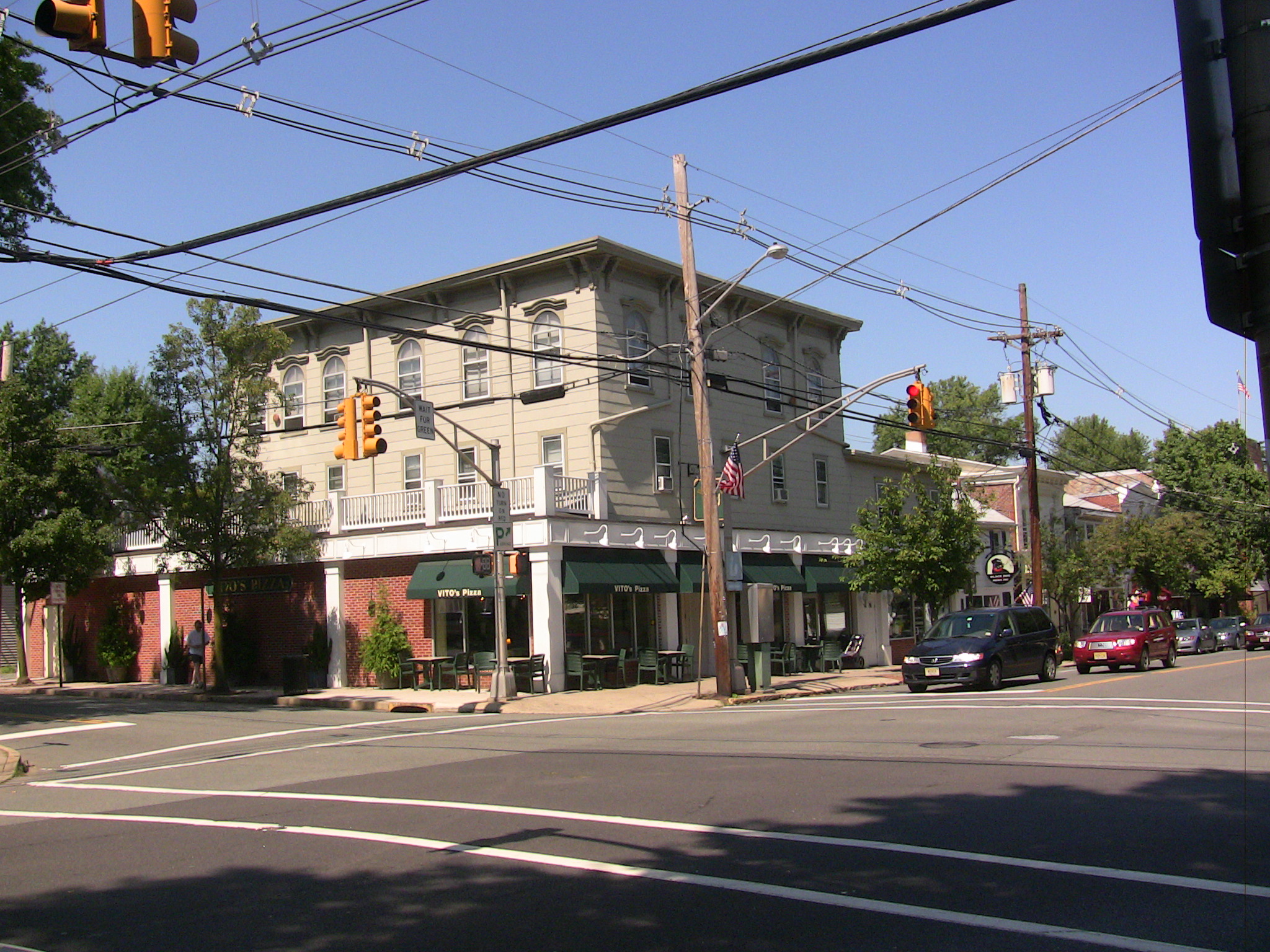
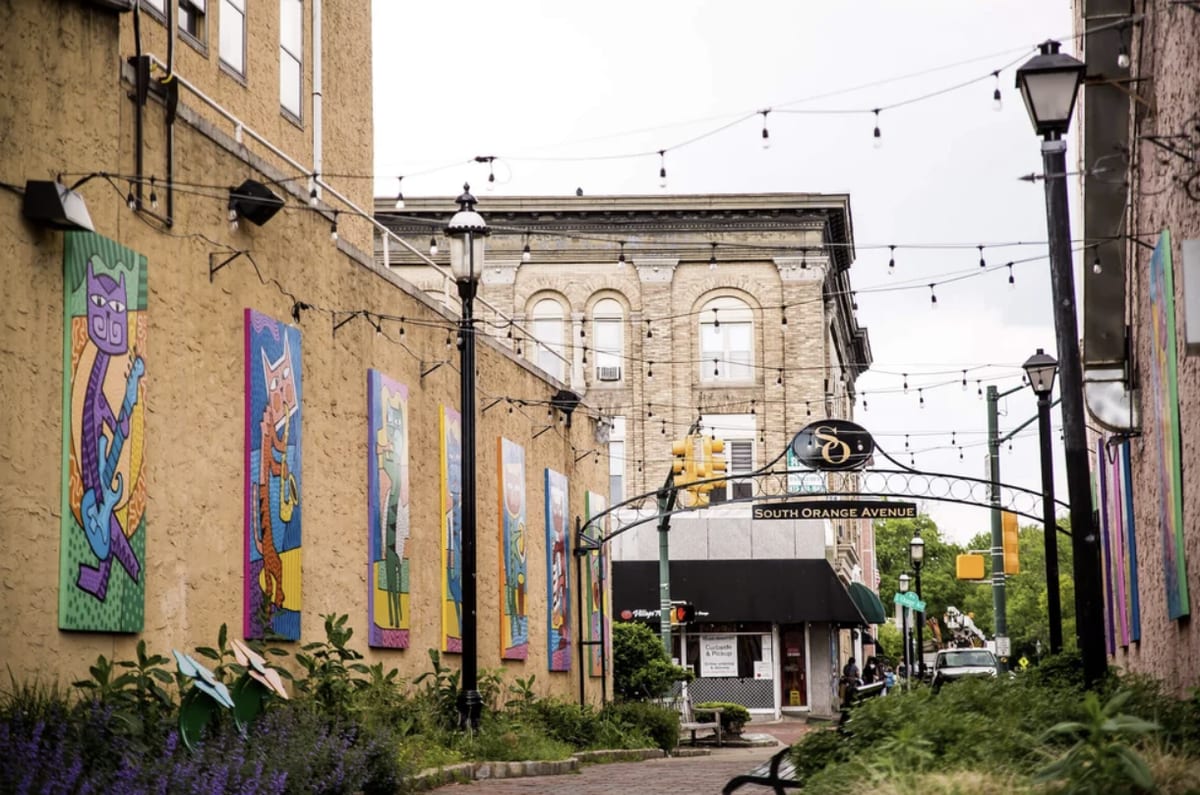
South Orange Avenue and the blocks around the station offer restaurants, independent shops, a Thursday farmers market in season, and the South Orange Performing Arts Center, so the commute and the evening out share the same few blocks.
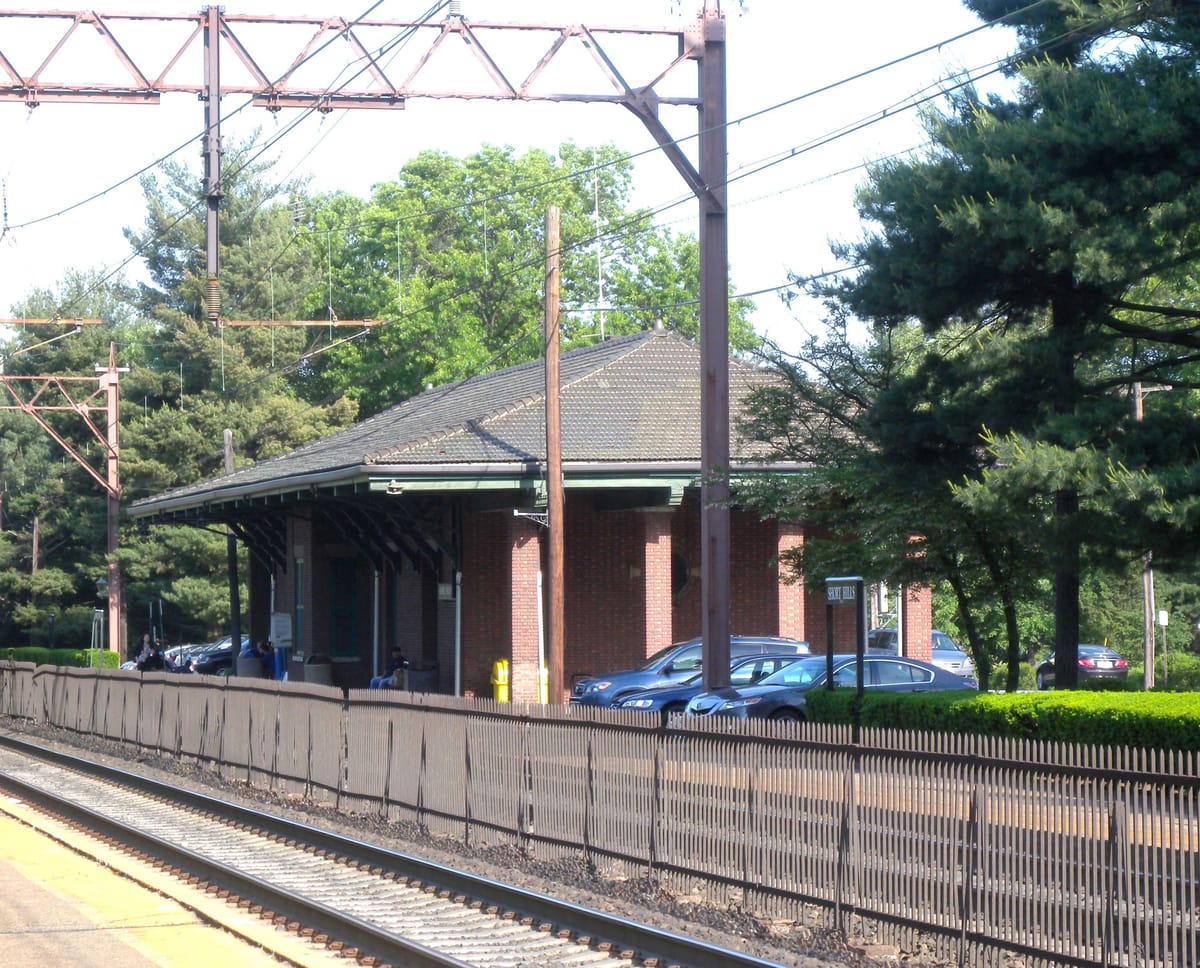
NJ Transit's Morris and Essex Line runs direct trains, no transfer needed, from South Orange station to New York Penn Station in roughly 30 minutes at peak, with Hoboken service as well.
Seton Hall University's 58-acre campus on South Orange Avenue brings a calendar of lectures, performances, and Big East basketball a short distance from the downtown, an unusual amenity for a village this size.
South Mountain Reservation's 2,000-plus county acres of trails, waterfalls, and overlooks rise along the western edge, with Meadowland Park and Flood's Hill, where the whole area sleds when it snows, closer to the center of town.
South Orange and neighboring Maplewood share a public school district and a closely intertwined community life, each with its own downtown, its own pool, and its own Midtown Direct station, which is why locals call the pair SOMA or MAPSO.
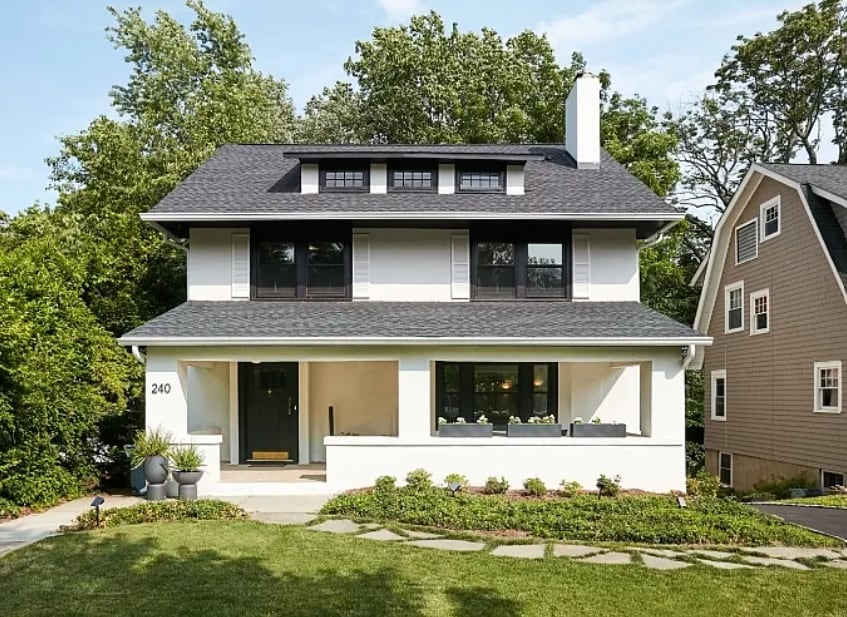
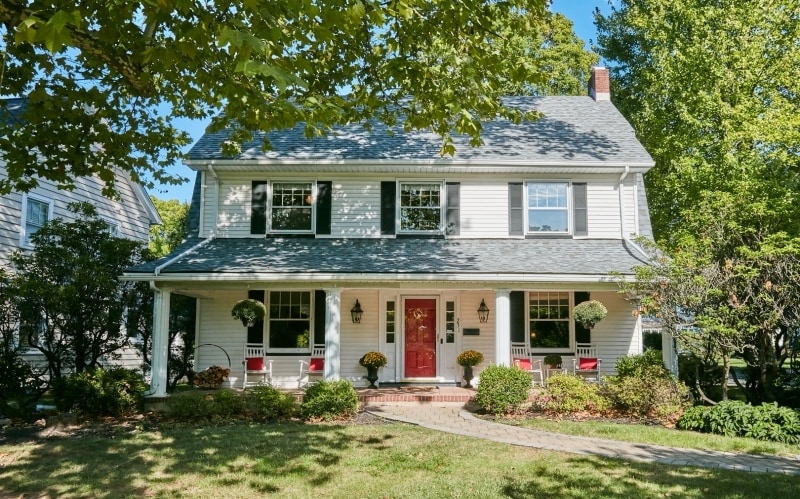
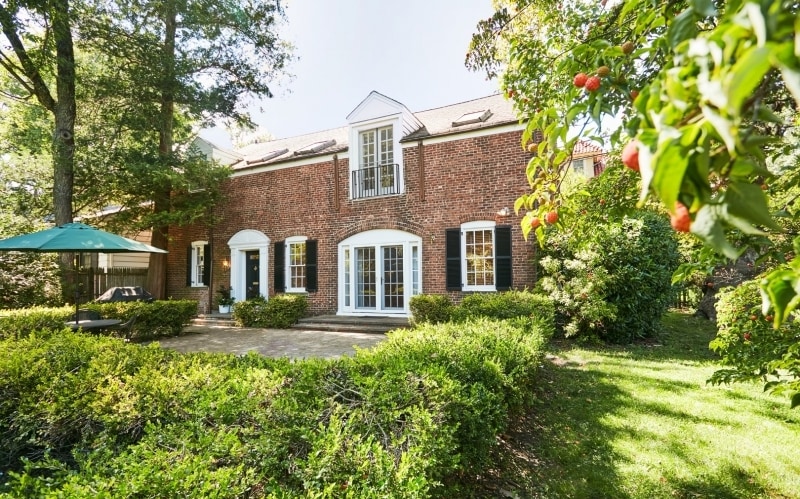
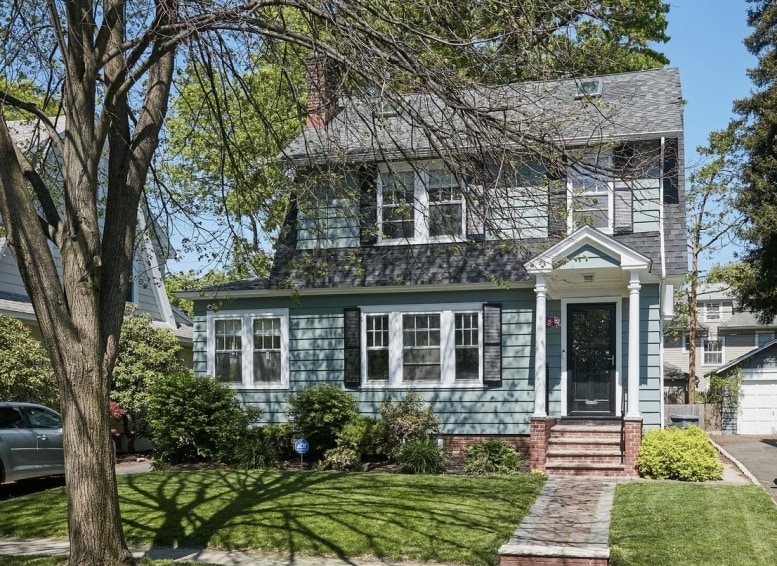
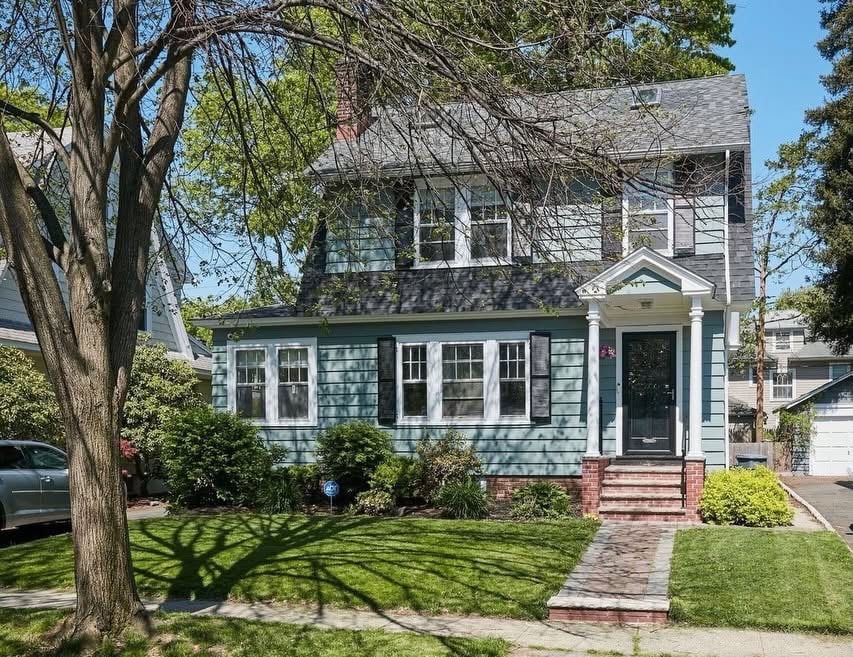
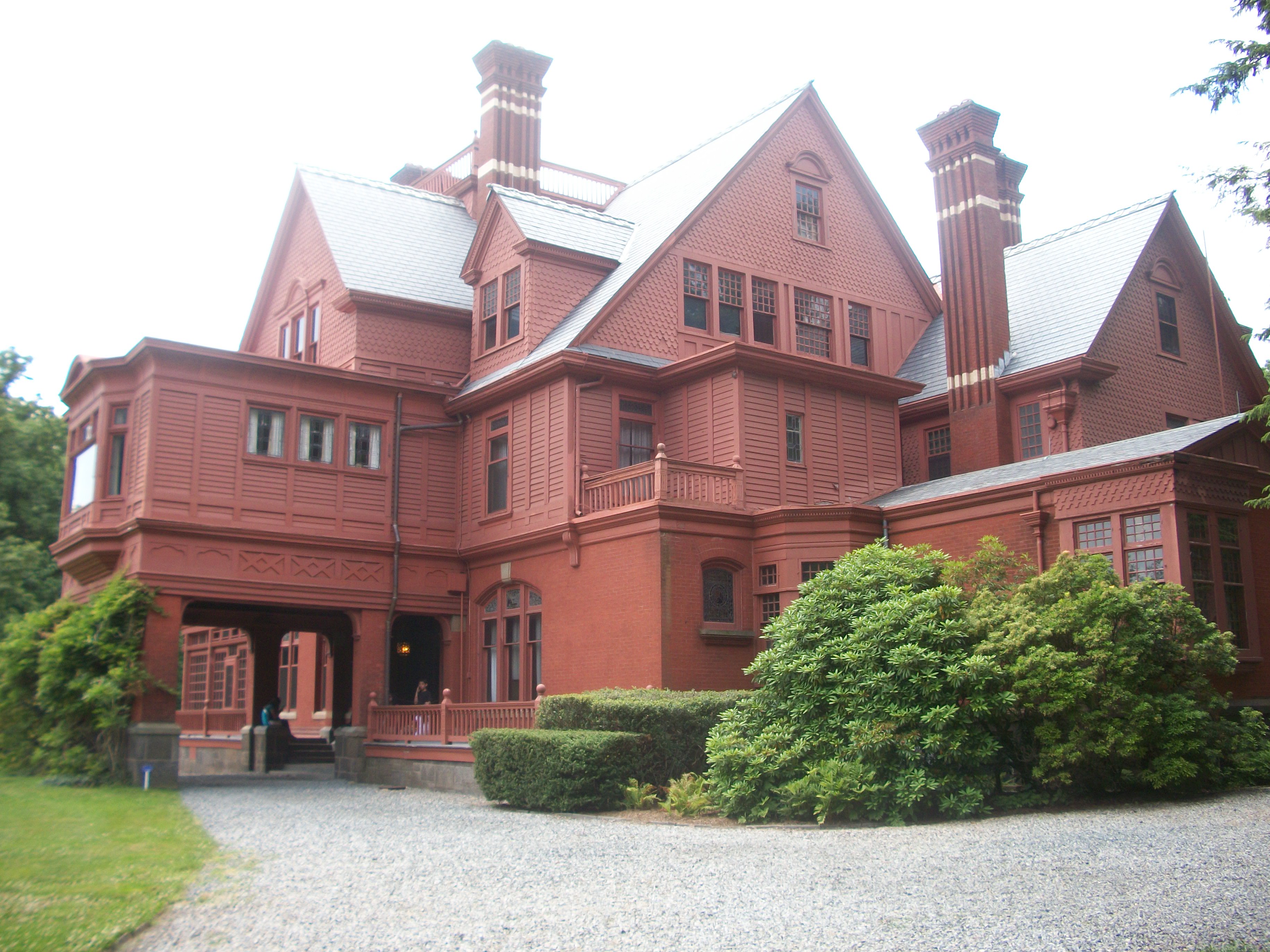
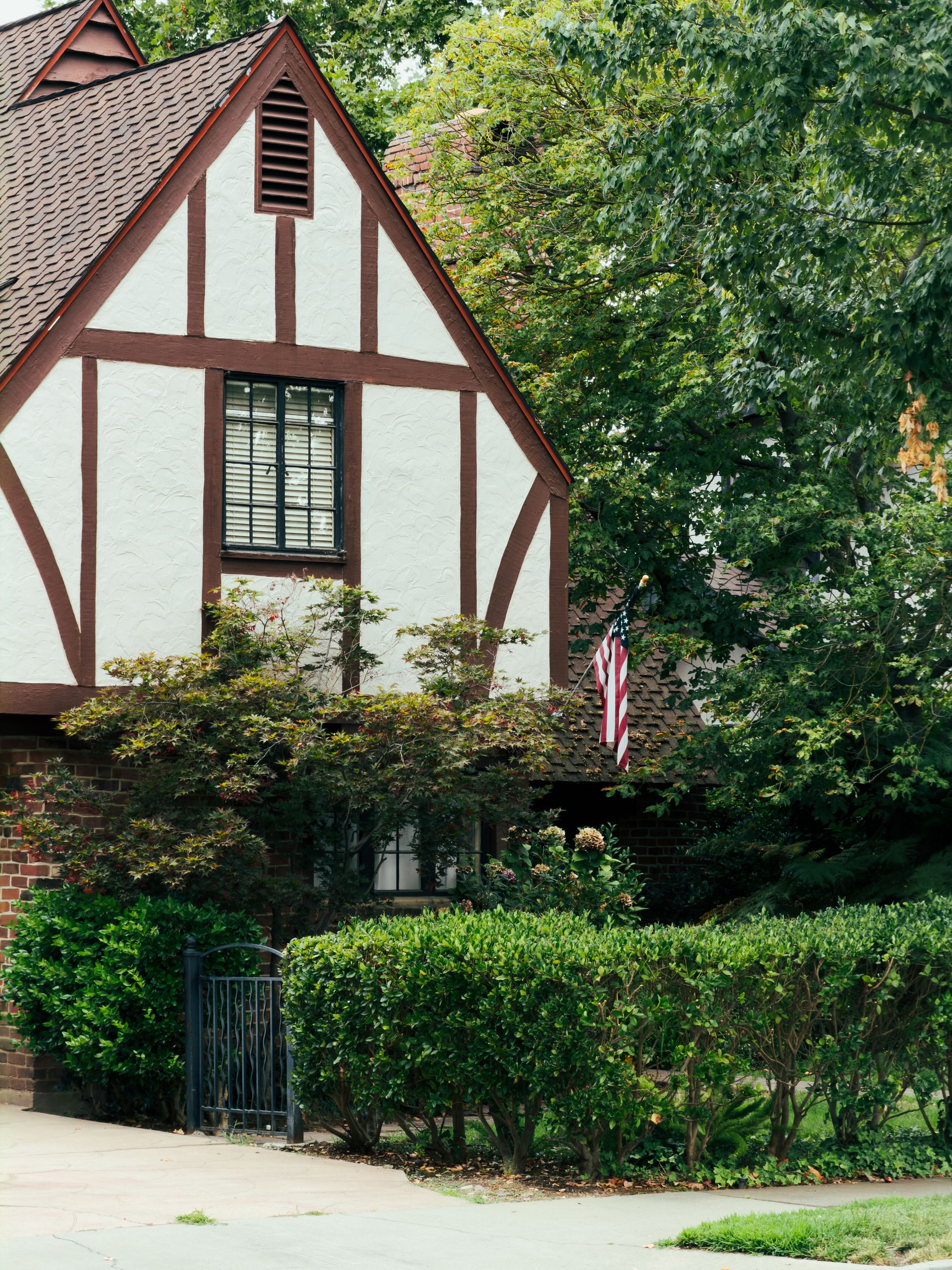
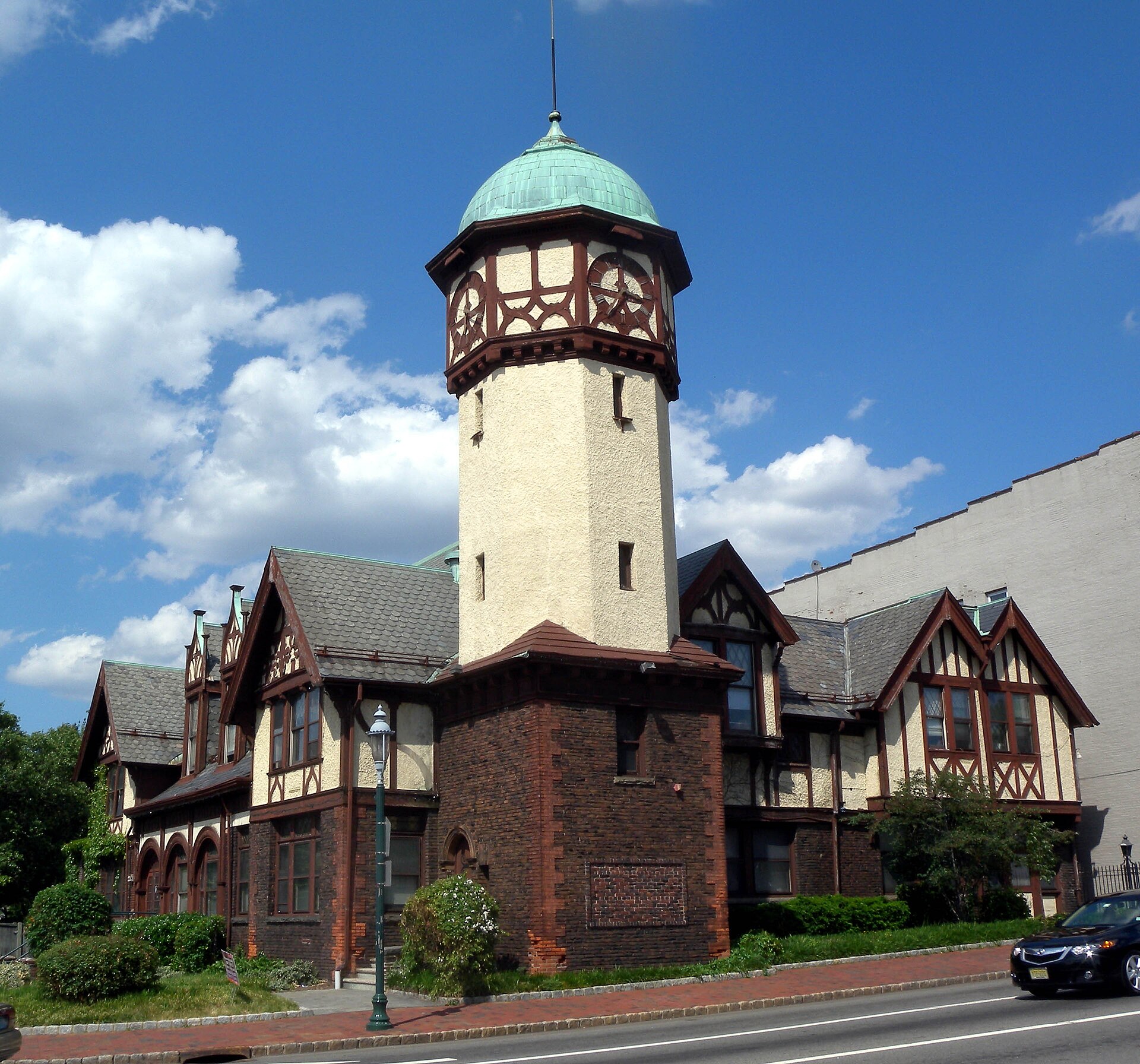
South Orange's housing stock is one of its genuine attractions: the village built out largely between the 1880s and the 1930s, so its 2.8 square miles hold an unusual concentration of period architecture, grand Victorians, center-hall colonials, and Tudors, on established tree-lined streets, joined by mid-century homes toward the edges and a supply of condominiums and townhomes near the station. The Montrose Park Historic District in the village's northeast corner, listed on the National Register in 1997, is home to many of the village's finest period houses. Lots run larger in several sections than in much of inner Essex County, and the village's historic districts protect a good deal of the streetscape.
Location matters here as it does everywhere, and in South Orange it shows up in proximity to the station and the downtown and the character of individual streets rather than in any formal boundary. On top of that, size, condition, renovation quality, and design drive the range, and the village's New York City buyer pool brings a sophisticated design eye, so finished, design-forward homes command clear premiums. As a general guide, condominiums and smaller homes provide the entry points, most single-family homes sell between roughly $900,000 and $1.5 million, and the largest period houses trade from about $1.6 million to past $2 million. For the village's older homes, thoughtful preparation before listing shows in how buyers respond.
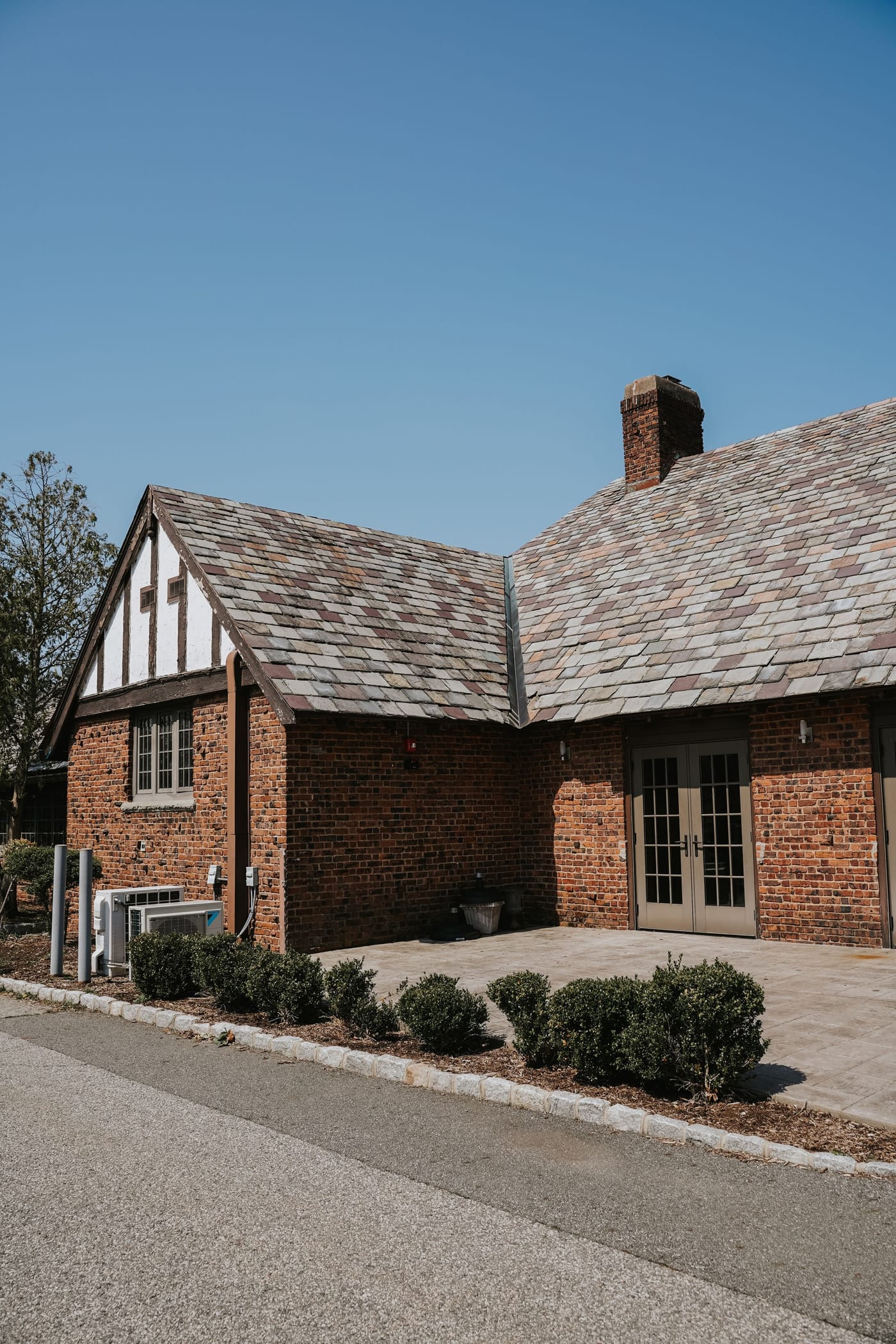
Browse current South Orange homes for sale, from station-area condominiums to the period Victorians, Tudors, and colonials the village is known for.
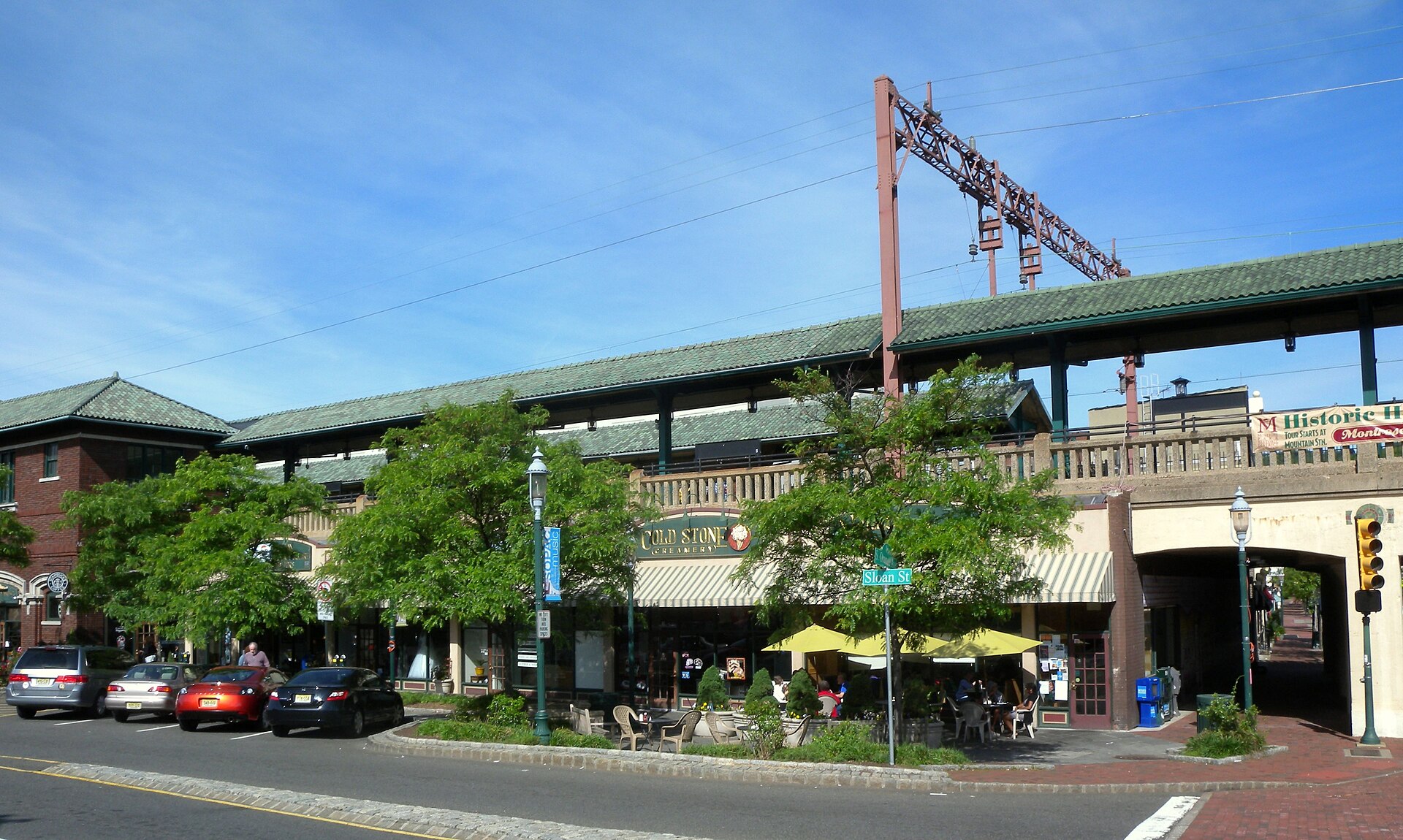
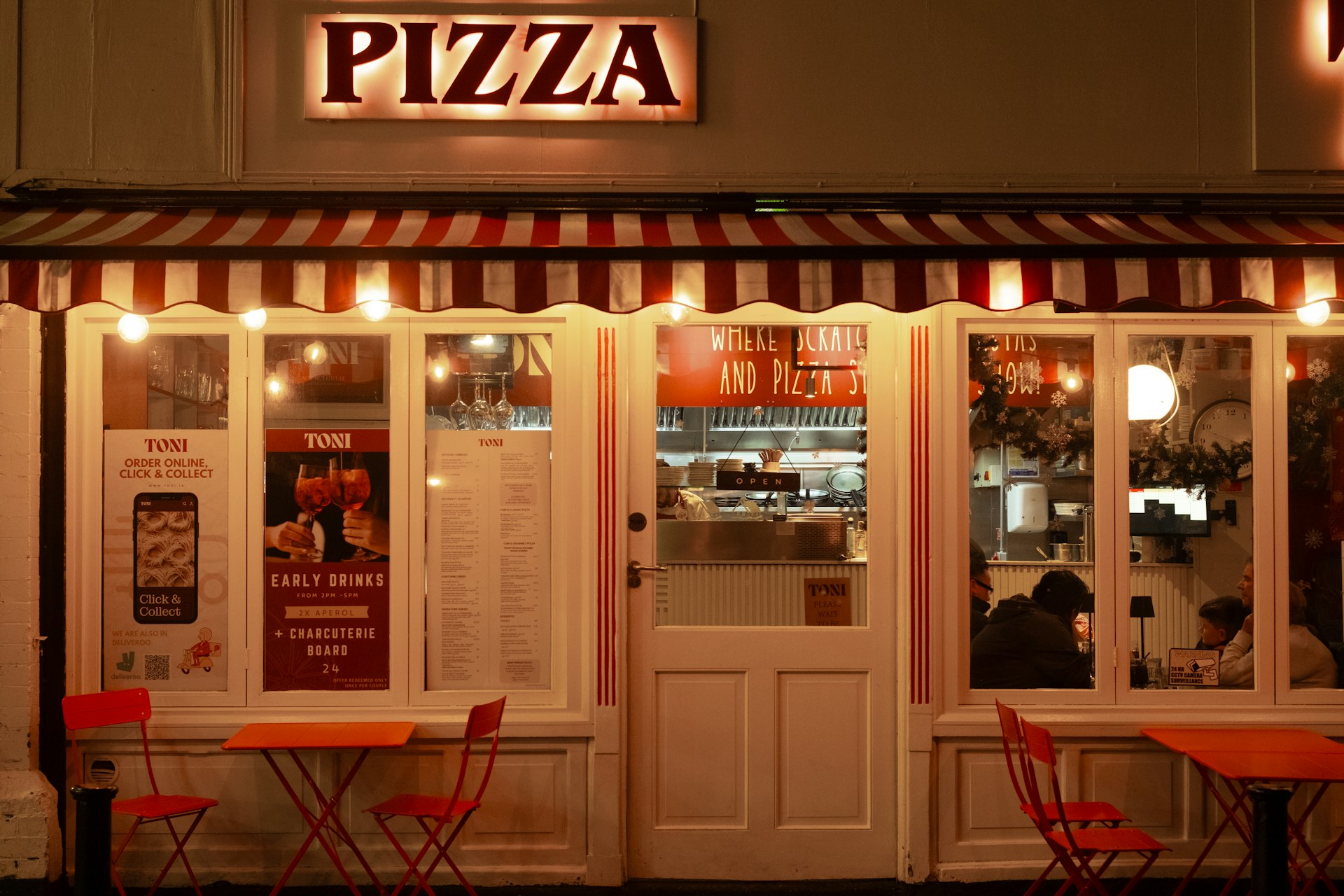
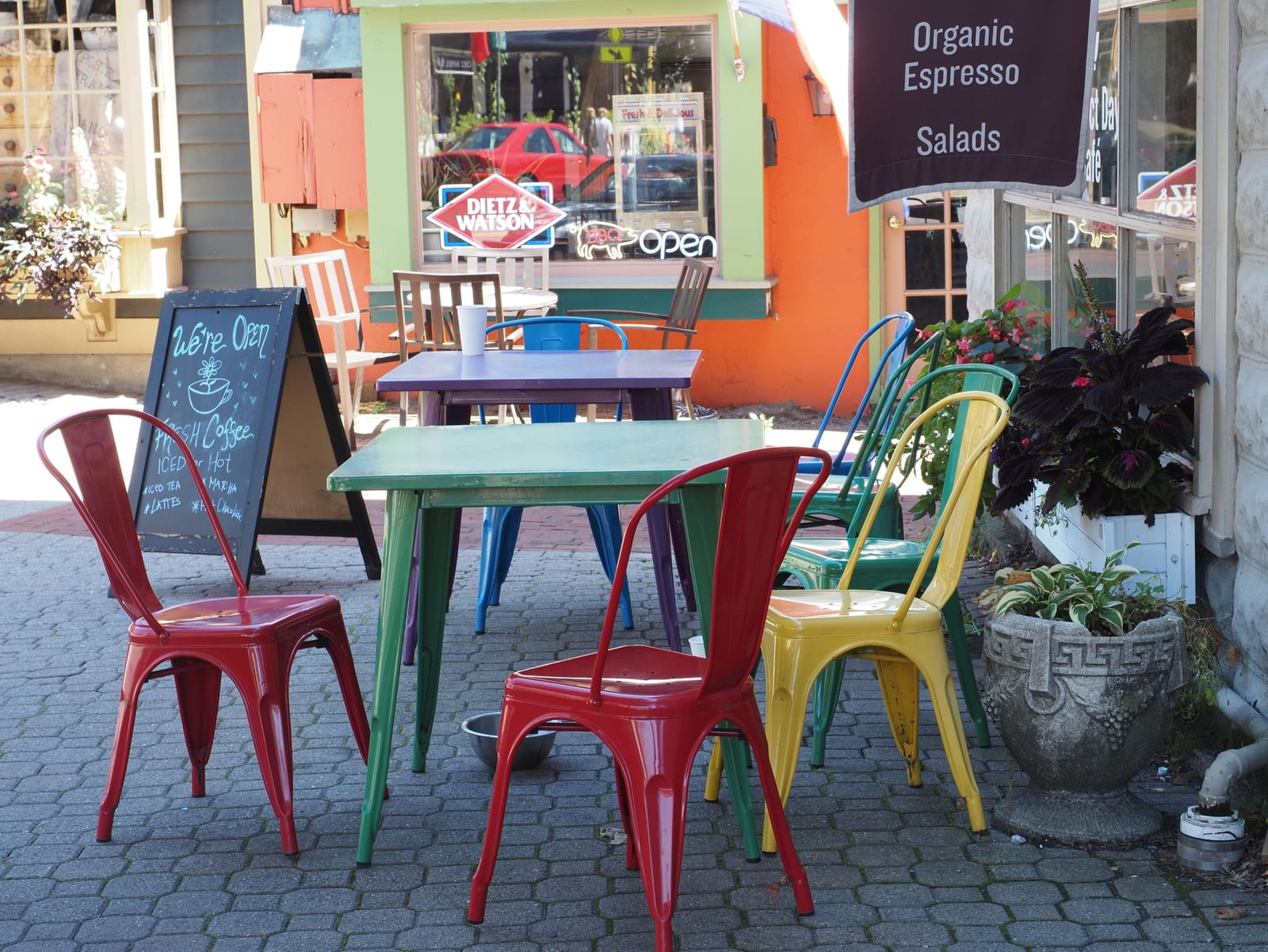
South Orange's downtown has a lively line-up of independent restaurants, cafes, and bars along South Orange Avenue and the surrounding streets. Jackie & Sons and The Order are popular spots, and evening options run from casual weeknight meals to date-night tables. The farmers market adds produce and prepared food on Thursdays in season. South Orange residents also frequent Maplewood's restaurant scene next door, and nearby Millburn and Montclair add still more options. The roster here changes often, so this page describes the scene rather than fixing a list in place, and current recommendations are best made in conversation.
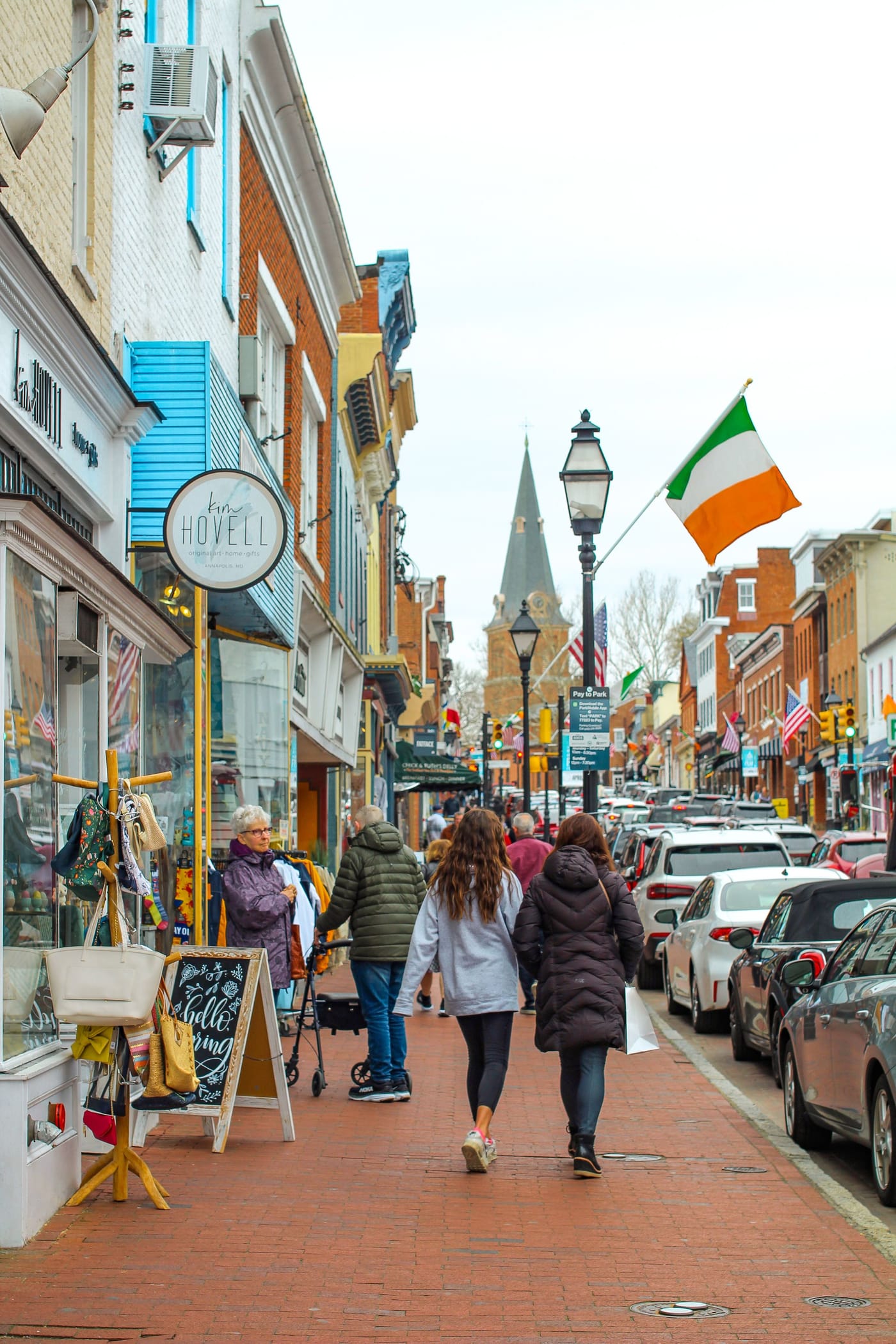
The village mixes daily needs with genuine browsing. Groceries, pharmacies, and services sit along South Orange Avenue and Valley Street, and the downtown blocks hold a run of independents: Kitchen a la Mode for cookware and cooking classes on South Orange Avenue, Sadie's boutique on Valley Street, and Three Birds Yoga upstairs on South Orange Avenue among them. The seasonal farmers market takes over Thursday afternoons. Maplewood Village and its Baker Street row of independents are a short drive away, the Mall at Short Hills is a fifteen to twenty minute drive for the department stores, and Manhattan covers the rest.
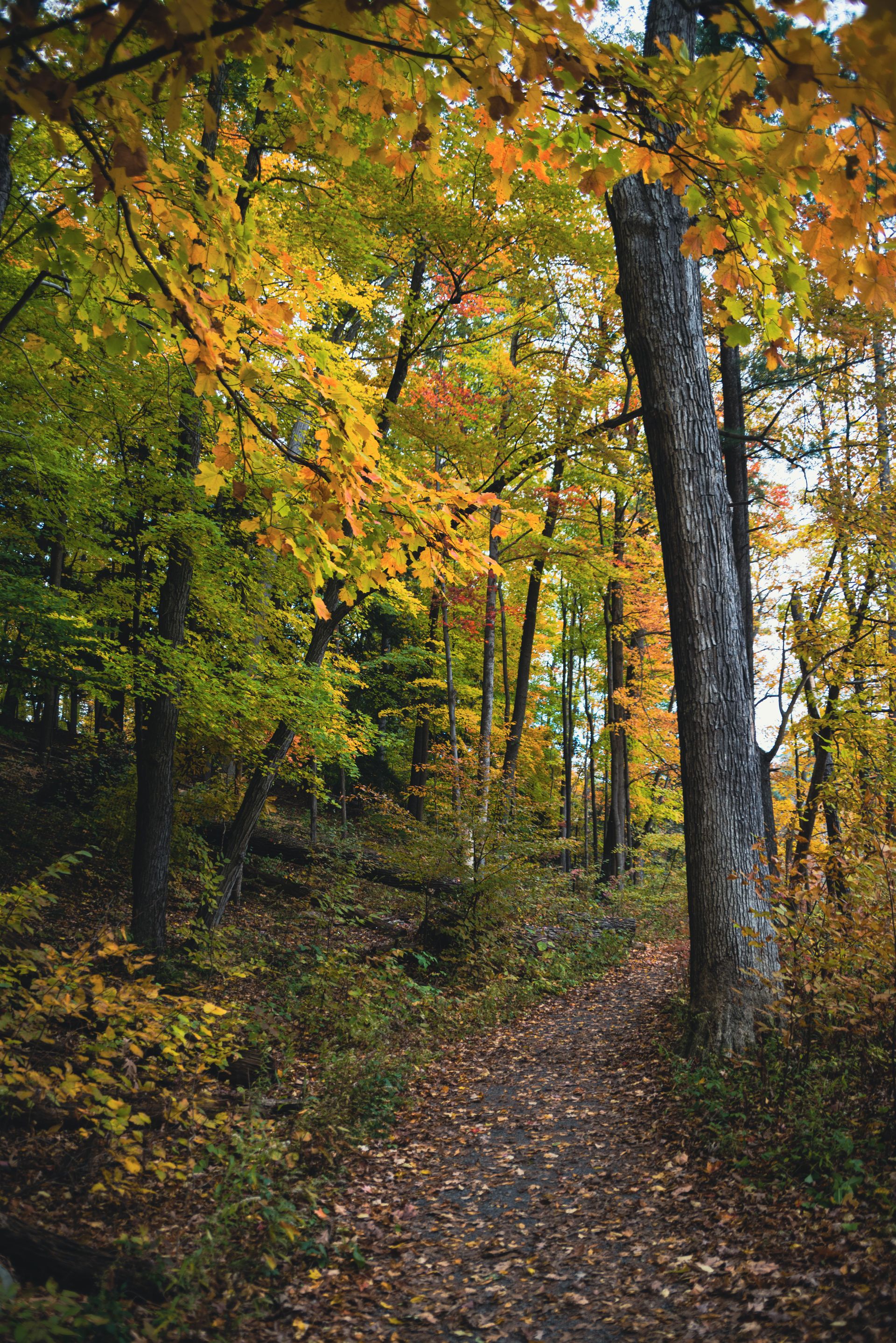
South Mountain Reservation is the village's great outdoor asset: more than 2,000 Essex County acres of hiking trails rising along the western edge of town, with the Rahway River's Hemlock Falls and the Turtle Back Rock overlooks among its highlights. Closer to the center, Meadowland Park offers ponds, playgrounds, and open lawns. Its Flood's Hill hosts South Orange Summer Nights, the village's free Wednesday-evening concerts and outdoor movies, through the summer, and in winter it is a popular sledding hill. The South Orange Community Pool is open through the summer season.
The arts calendar is just as full. The Baird Community Center in Meadowland Park runs the village's arts and recreation programs, including the Pierro Gallery and an indoor theater, and the South Orange Performing Arts Center in the downtown presents music, film, comedy, and theater year round. Seton Hall adds lectures, performances, and Big East basketball, and each fall Studio Tour SOMA opens more than a hundred artists' studios across South Orange and Maplewood.
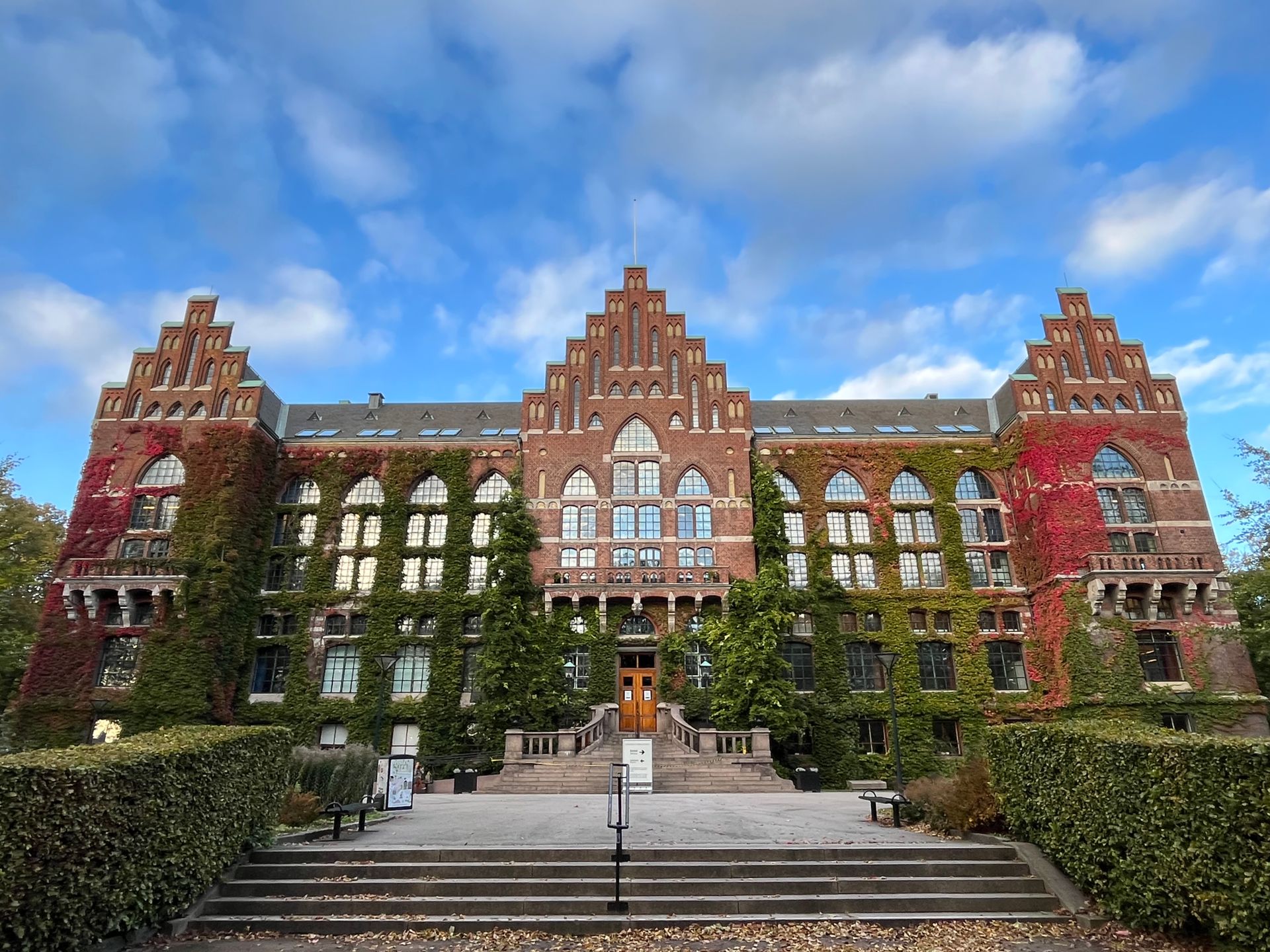
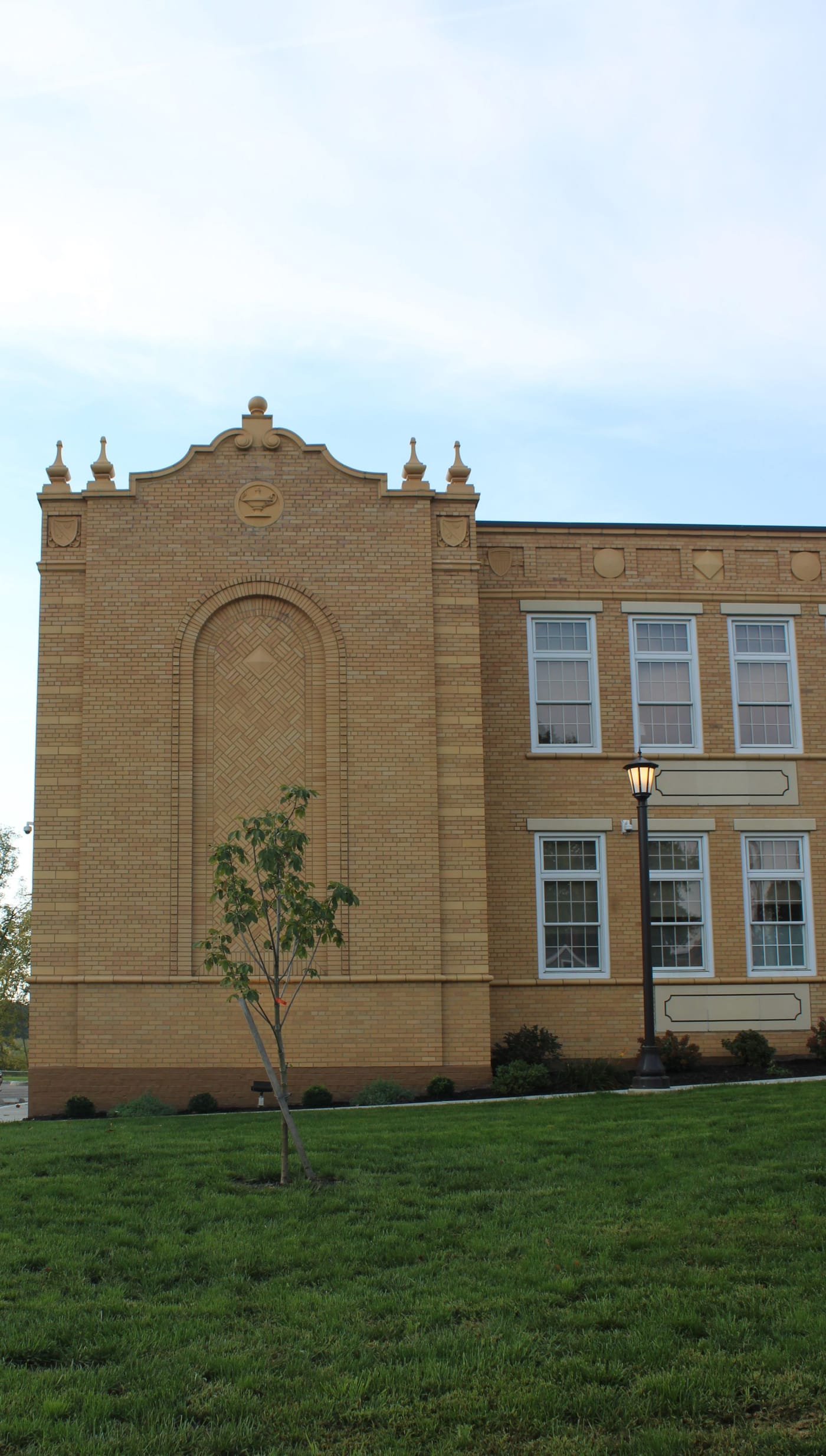
South Orange and neighboring Maplewood are served together by the South Orange-Maplewood School District, a single public system for both towns from kindergarten through Columbia High School, and the shared district is part of why the two towns function as one community. Because programs, assignments, and offerings change, current details are best verified directly with the district at somsd.k12.nj.us, and Seton Hall Preparatory School and other independent and parochial options in the wider area round out the choices.
Essex County village of about 2.8 square miles, roughly 17 miles from Midtown Manhattan
Victorians, center-hall colonials, and Tudors built largely between the 1880s and the 1930s, plus mid-century homes and condominiums and townhomes near the station; the Montrose Park Historic District (National Register, 1997)
Highly competitive; well-prepared homes regularly draw multiple offers
About 1,400, one of the few communities in New Jersey to keep them
Two stations on NJ Transit's Morris and Essex Line: South Orange station in the downtown, with Midtown Direct trains to New York Penn Station in roughly 30 minutes at peak and Hoboken service, plus Mountain Station on Vose Avenue serving the western side of the village on a lighter schedule
South Mountain Reservation along the western edge; Meadowland Park and Flood's Hill near the center of the village, home of South Orange Summer Nights
Seton Hall University; the South Orange Performing Arts Center; the Baird Community Center in Meadowland Park
Sources: NJ Transit; South Orange Village and Essex County materials.
The ones buyers and sellers actually ask, answered the way Lisa answers them.
Ask your ownSouth Orange's prices span a wide range for a village of 2.8 square miles. As a general guide, condominiums and smaller homes provide the entry points, most single-family homes sell between roughly $900,000 and $1.5 million, and the largest period houses trade from about $1.6 million to past $2 million. It is among the most competitive markets in New Jersey, and well-prepared homes regularly draw multiple offers, so current pricing for a particular street or house type is best read with a local agent.
SOMA, also written MAPSO, is the local shorthand for Maplewood/South Orange, two Essex County towns that function as a pair. They share one public school district, the South Orange-Maplewood School District, and a closely intertwined community life, while each town keeps its own downtown, its own community pool, and its own Midtown Direct train station on the Morris and Essex Line, a few minutes apart. Buyers often search the two as one market, which is why this site writes the pair as Maplewood/South Orange.
South Orange kept its gas lamps through the eras when nearly every other American community converted to electric street lighting, and about 1,400 of them still light the village, one of the few places in New Jersey to hold on to them. The lamps are part of the village's visual identity, and the glow along the residential streets at dusk is the detail most visitors mention first. Neighboring Glen Ridge, a few minutes north, keeps a smaller set of roughly 665 lamps that covers nearly its entire street grid.
South Orange has two stations on NJ Transit's Morris and Essex Line. The main South Orange station sits in the downtown, with Midtown Direct trains, no transfer needed, reaching New York Penn Station in roughly 30 minutes at peak, plus service to Hoboken for PATH and ferry connections. Mountain Station on Vose Avenue gives the western side of the village a second rail connection on a lighter schedule, so check which trains stop there. Drivers reach Interstate 78 and the Garden State Parkway in minutes, and the downtown station's position in the middle of the village is a large part of what buyers are paying for.
South Orange bundles what buyers usually have to choose between: a downtown at the train platform, direct trains to Manhattan, a university campus and a performing arts center inside the village, 2,000-plus acres of reservation along the edge, and period architecture on lots that in several sections run larger than in much of inner Essex County. Demand stays strong, so the tradeoffs are competition and Essex County carrying costs, and buyers and sellers alike do best with careful preparation and local guidance.
South Orange built out largely between the 1880s and the 1930s, so the stock leans period: grand Victorians, center-hall colonials, and Tudors on tree-lined streets, joined by mid-century homes toward the edges and condominiums and townhomes near the station that serve as the entry point. The Montrose Park Historic District in the village's northeast corner, listed on the National Register in 1997, contains some of the village's most admired period houses. Lots run larger in several sections than in much of inner Essex County.
Lisa Danbrot knows South Orange well: she works with Compass across the Maplewood/South Orange corridor and the Princeton area, and she has served buyers and sellers in Maplewood and South Orange since 2012. A third generation Brooklyn native who made her own city-to-suburbs move, she holds a Fine Art degree, knows and appreciates a wide range of architectural styles, and taught yoga for 20 years, a background that shows up in calm communication and presentation-first listing preparation.
Whether you are searching for a Victorian under the gas lamps or getting a South Orange home ready to sell, Lisa Danbrot brings more than a decade of experience and a design eye to every step. Call or write to talk through South Orange homes for sale.