
Glen Ridge | The Gaslight Borough
Roughly 665 gas lamps, a National Register district covering nearly the whole town, and a direct train to Penn Station, in 1.3 square miles.

Glen Ridge Real Estate | A Borough Preserved Almost Whole

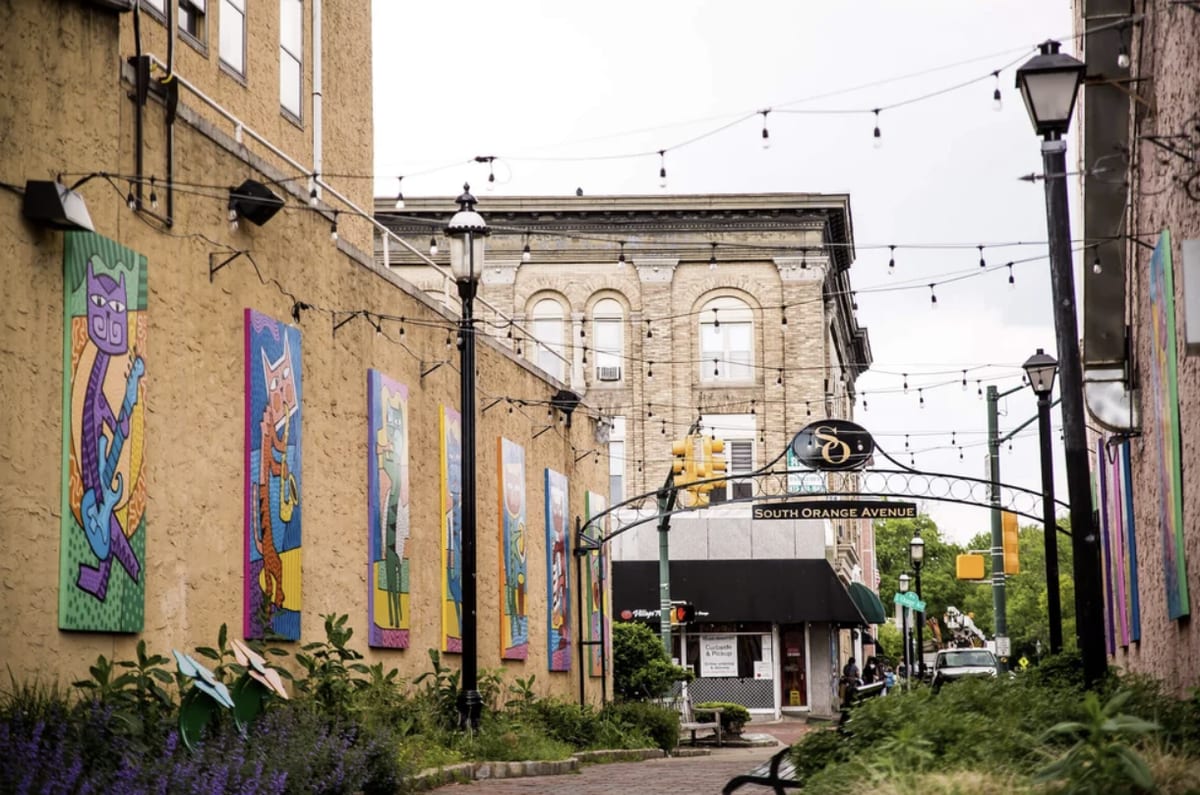
Glen Ridge is the town that kept everything: a borough of 1.3 square miles between Montclair and Bloomfield, where roughly 665 gas lamps still light the streets each night. Other towns have more lamps, but by its own Historical Society's account no other American community is lit almost in its entirety by gaslight, more than a tenth of the nation's remaining working gas lamps burn here, and the lamp sits on the borough seal. The Glen Ridge Historic District, listed on the National Register in 1982 and expanded twice since, covers more than 90 percent of the borough, from the grand houses of Ridgewood Avenue to the two 19th century train station buildings.
The market is as scarce as the setting suggests, and its defining feature is how little comes up for sale. As a general guide, a limited number of condominiums along Bloomfield Avenue provide the lowest entry point, single-family homes start around $700,000 on the low end and can go up to $1.5 million plus, and the landmark houses on the borough's grandest streets trade past $3 million. With so few homes changing hands, buyers here need patience and preparation, and a reported days-on-market figure can make the market look slower than it really is, for reasons explained in the questions below.
Lisa Danbrot works with Compass across the Essex County corridor and the Princeton area, and she has been a licensed agent since 2012. She knows this borough's defining buyer: the one who has their heart set on Montclair and will not compromise, with the exception of Glen Ridge. A third generation Brooklyn native who made her own city-to-suburbs move, she brings a Fine Art degree and a design background to presenting the borough's period homes well.
What to Love About Glen Ridge
Streets lit by gaslight, nearly all of them
Roughly 665 working gas lamps line the borough, more than a tenth of all that remain in the United States, and by the Historical Society's account no other American community is lit almost entirely this way; the lamp is on the borough seal.
A historic district that covers the town
The Glen Ridge Historic District, on the National Register since 1982 and expanded twice, takes in more than 90 percent of the borough, including both 19th century station buildings and avenues of architect-designed houses.
A storybook station with trains to Manhattan
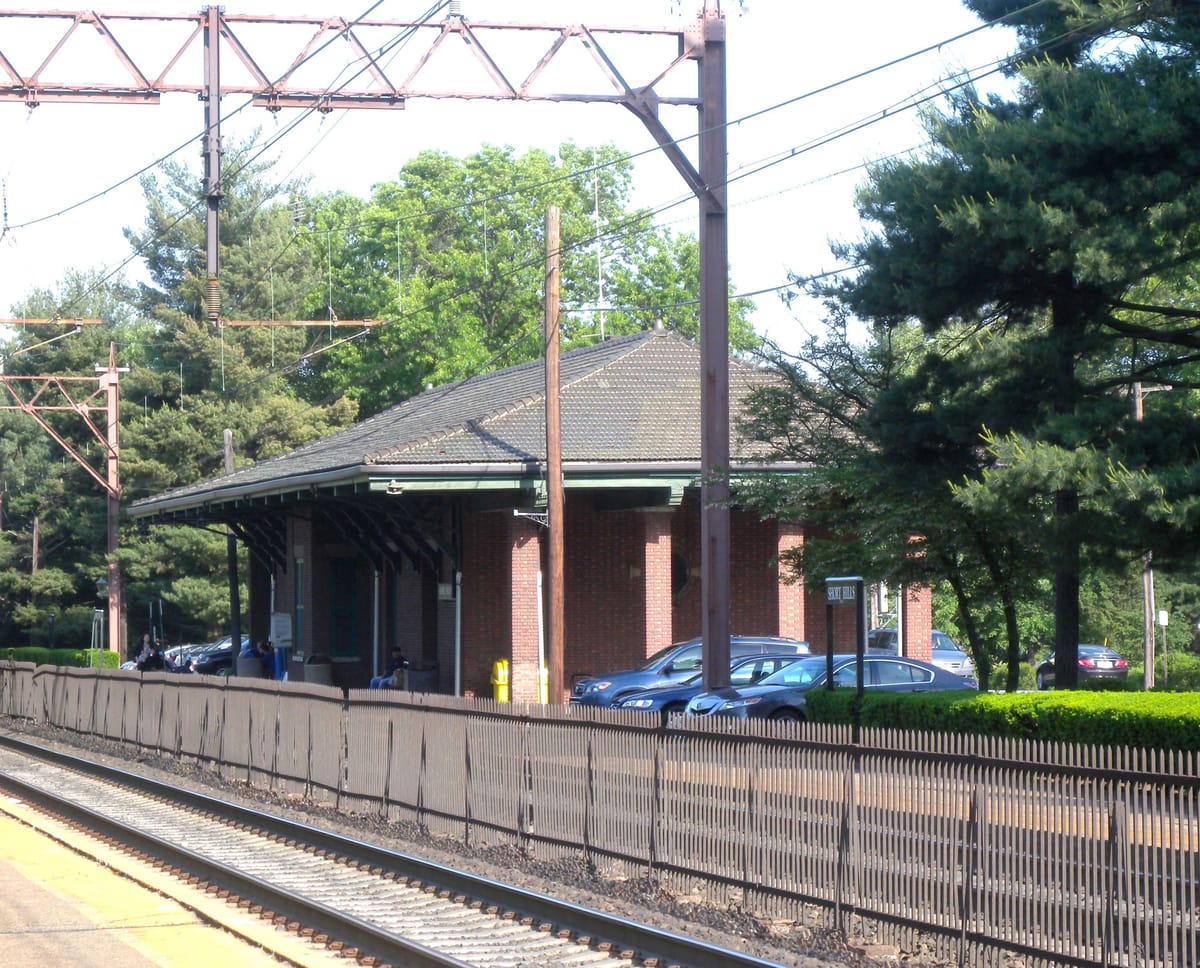
Glen Ridge's single station, on the Montclair-Boonton Line, offers Midtown Direct service to New York Penn Station, and much of the borough sits close to the platform.
A borough scaled to itself
Glen Ridge runs its own public school district for a town of 1.3 square miles, and the borough's civic life, from the Memorial Day parade to the Thanksgiving morning Ashenfelter 8K, operates at the same intimate scale.
The Glen itself
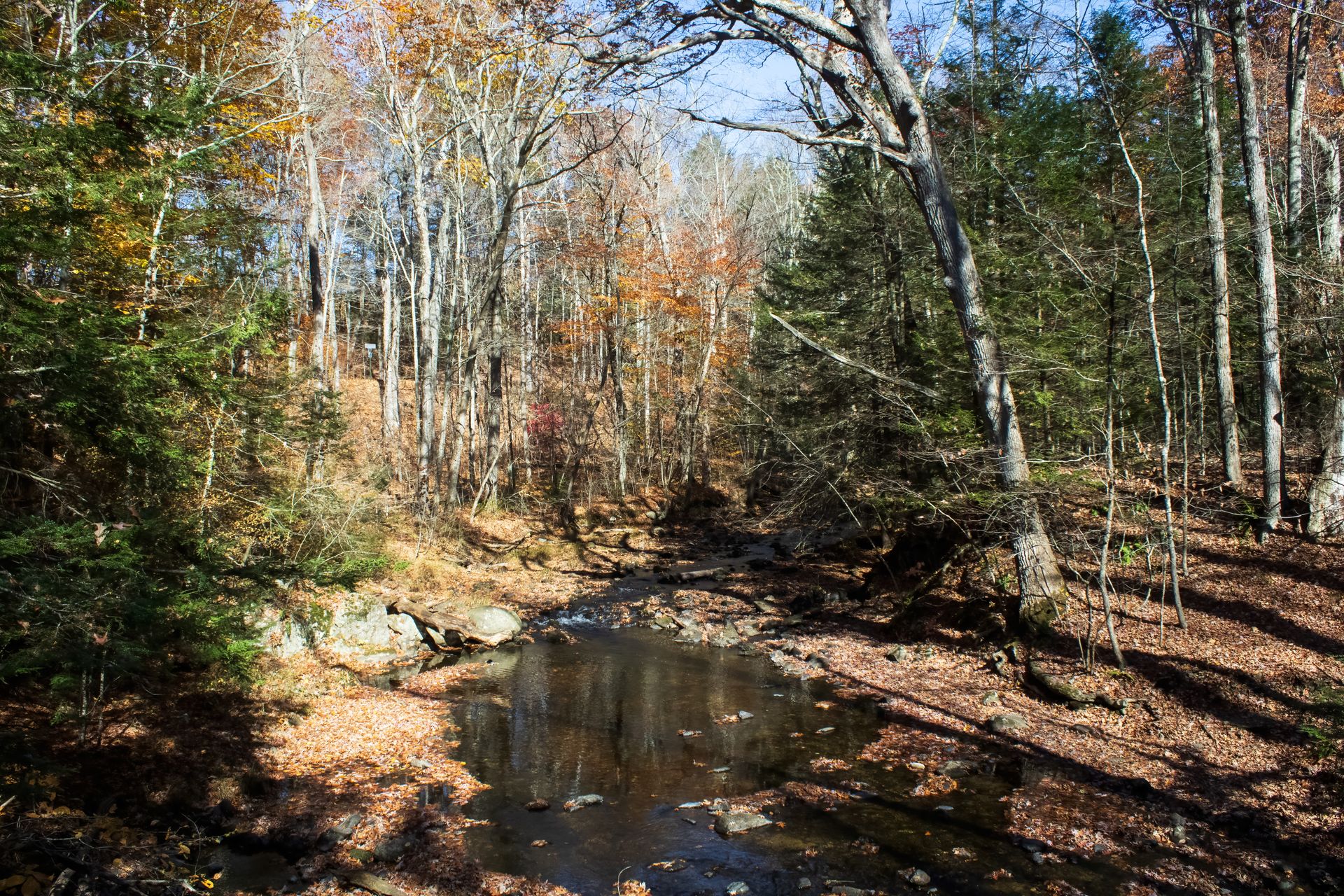
Toney's Brook runs through the wooded ravine that named the town, with the gazebo, Freeman Gardens' 1935 plantings, Glenfield Park on the Montclair line, Brookdale Park's county acres nearby, and the Glen Ridge Country Club's 18 holes inside the borough.
Montclair as your second downtown
The borough keeps its commerce deliberately modest and borrows the best restaurant and cultural scene in the suburbs from next door, with Church Street, the museums, and the Wellmont all a short drive from anywhere in Glen Ridge.
Homes in Glen Ridge | Architecture and the Price Spectrum
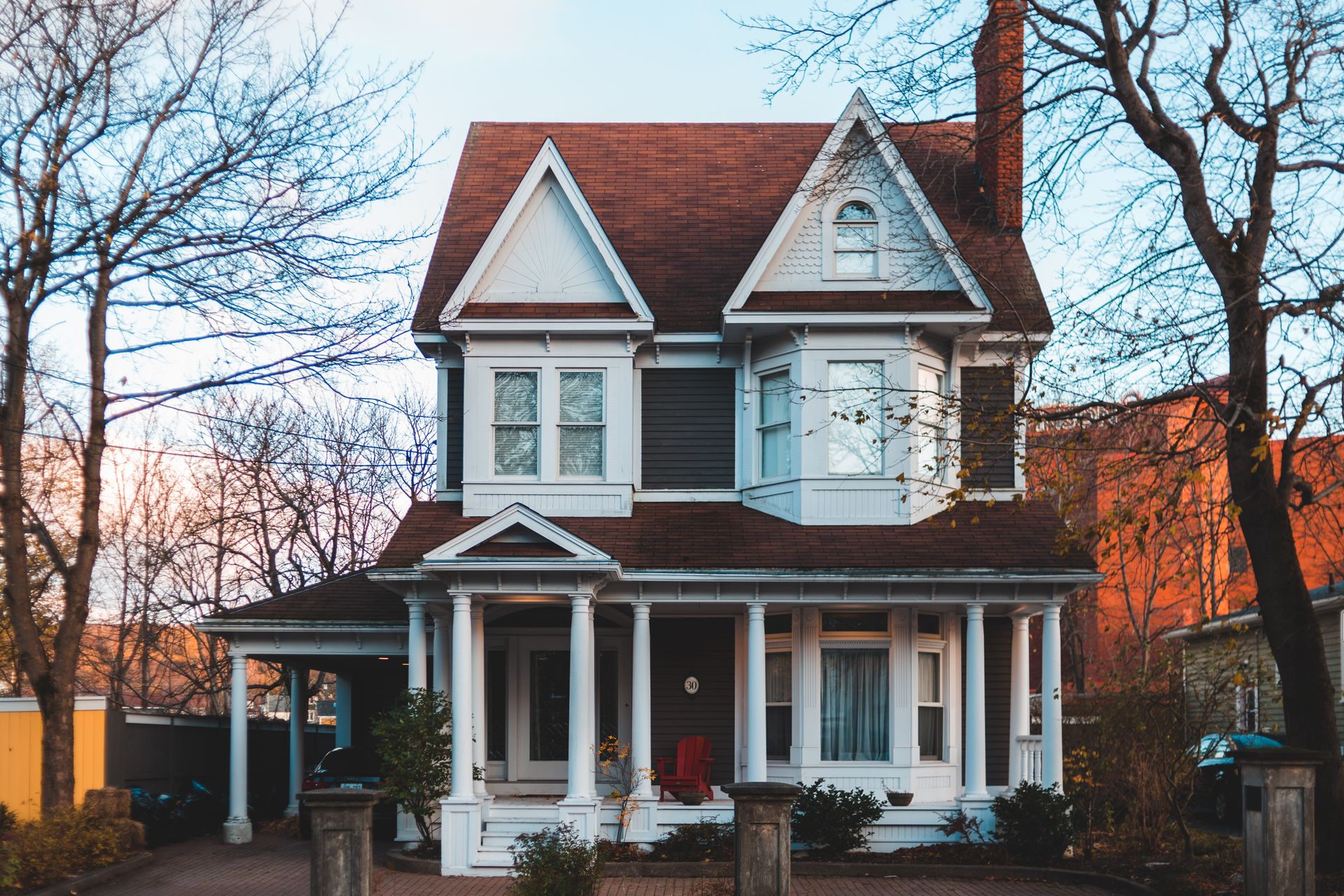
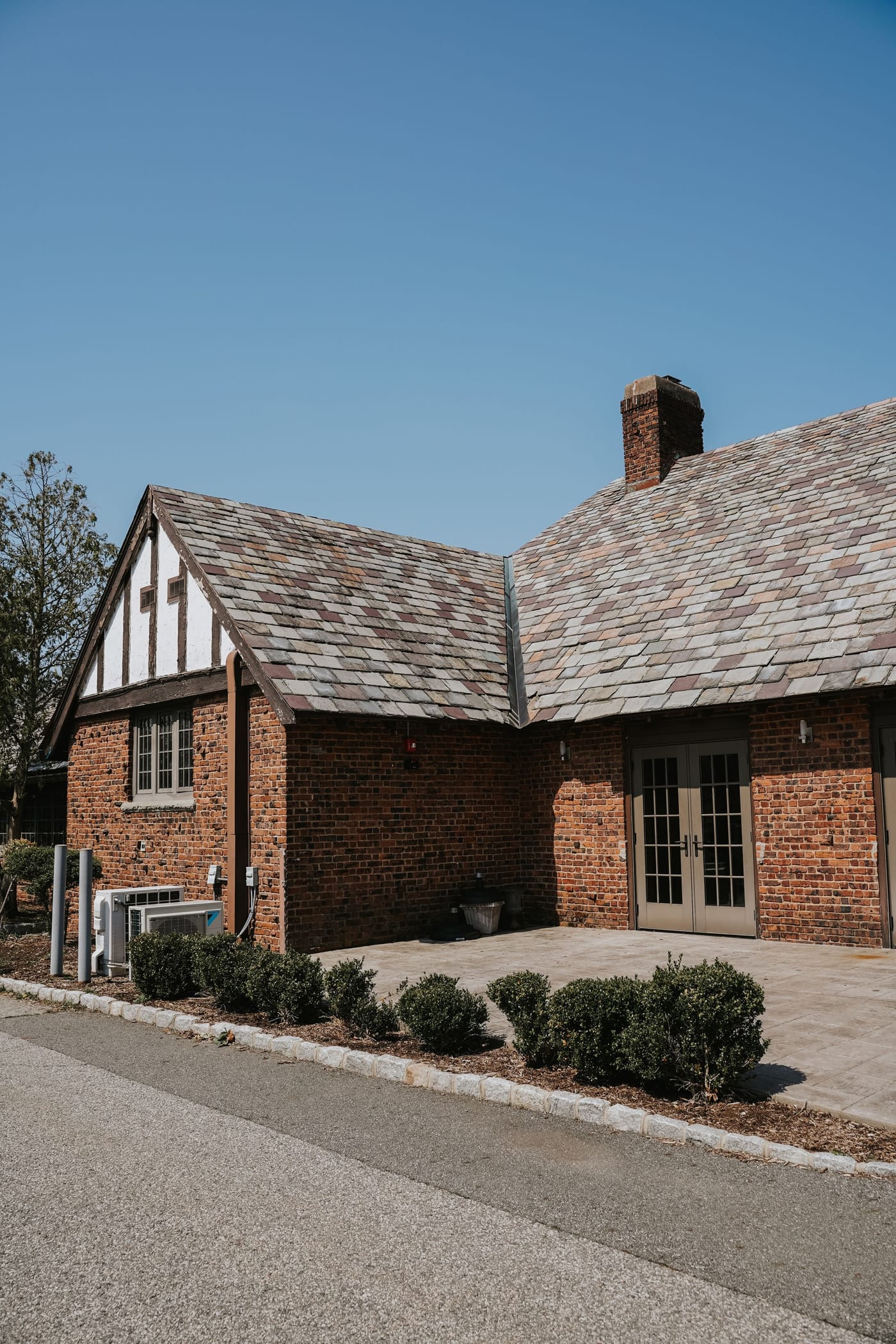
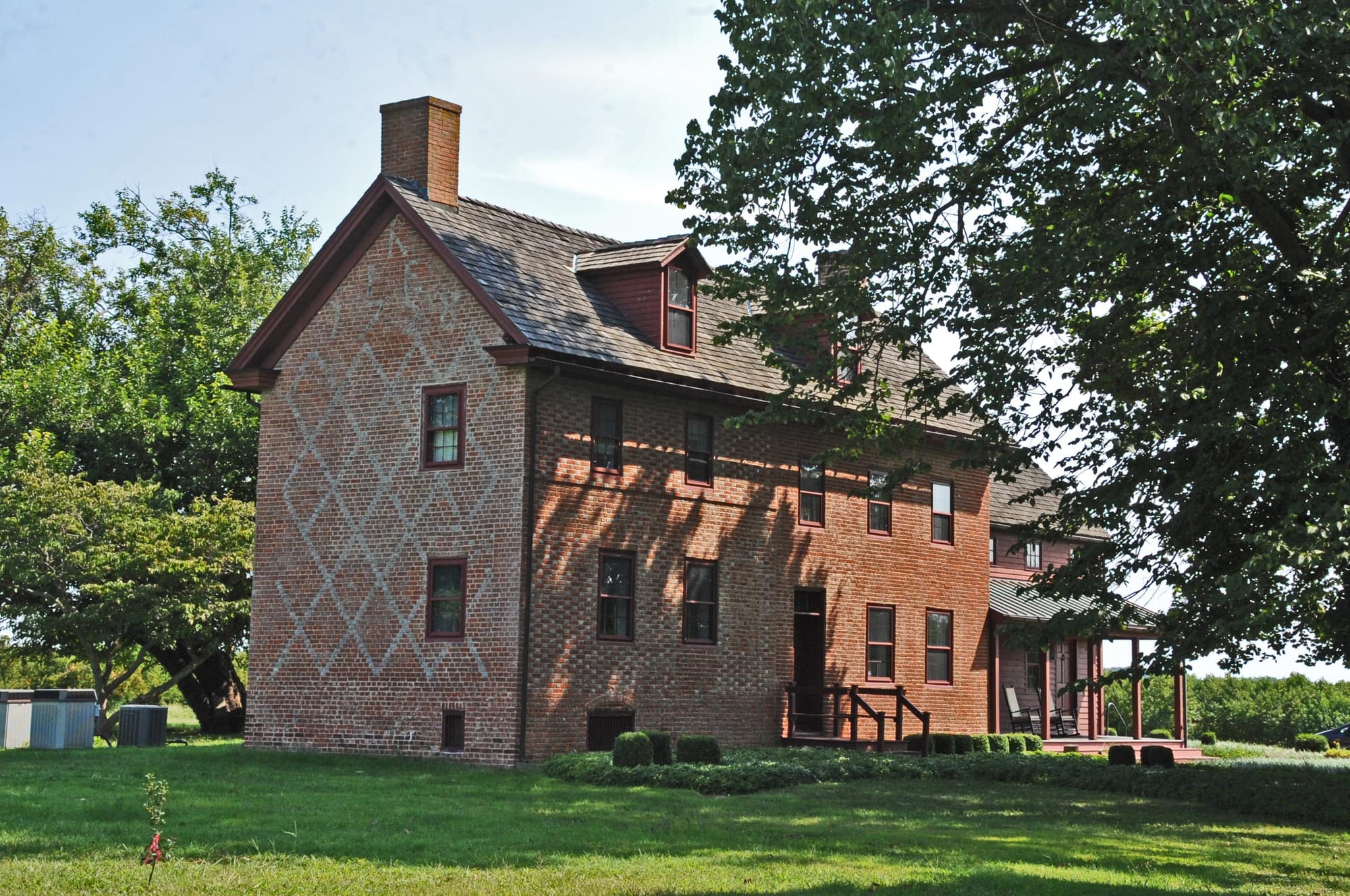
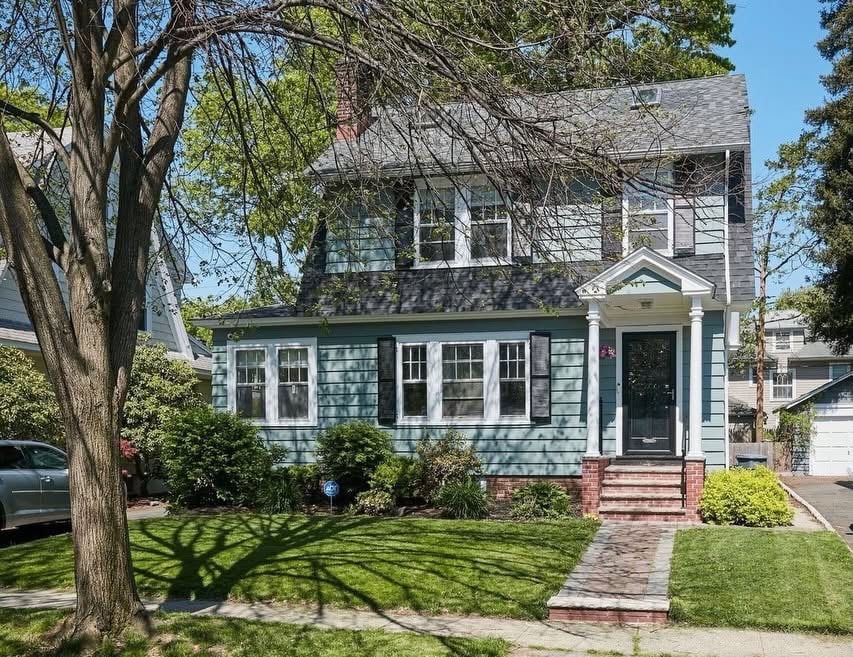
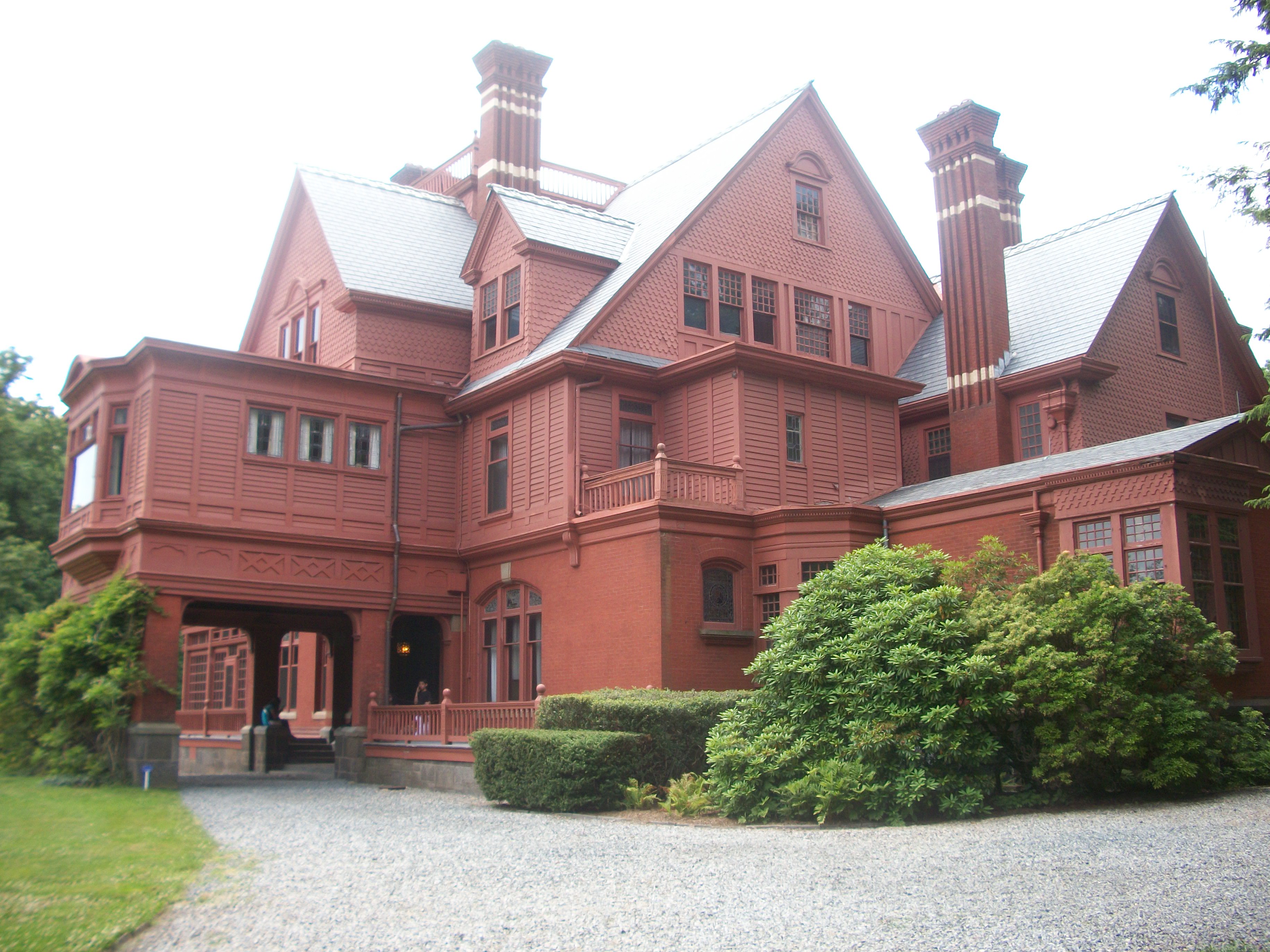
Glen Ridge is an architectural collection more than a housing market. The borough built out largely between the 1880s and the 1930s, and because the National Register historic district covers more than 90 percent of it, the streetscape has stayed remarkably intact: grand Victorians, shingle-style and stone houses, center-hall colonials, Tudors, and foursquares on streets lit by the gas lamps, with works on the borough's grandest streets attributed to significant architects of the period. Lot sizes vary street to street, mature trees are the rule, and there is very little that is new.
Location matters here as it does everywhere, and in a borough of 1.3 square miles it shows up in proximity to the station and the character of individual streets rather than in any formal boundary. Size, condition, renovation quality, and design do the rest. As a general guide, a limited number of condominiums along Bloomfield Avenue provide the lowest entry point, single-family homes start around $700,000 on the low end and can go up to $1.5 million plus, and the landmark houses on the borough's grandest streets trade past $3 million. With so few homes changing hands in a typical year, buyers here need patience and preparation, and sellers benefit from a presentation-led approach that does justice to period architecture.
Glen Ridge Homes for Sale
Browse current Glen Ridge homes for sale, from colonials near the Bloomfield line to the landmark houses on the borough's grandest streets, whenever this scarce market lets one surface.
Living in Glen Ridge | Dining, Shopping, and Things to Do
All neighborhood guides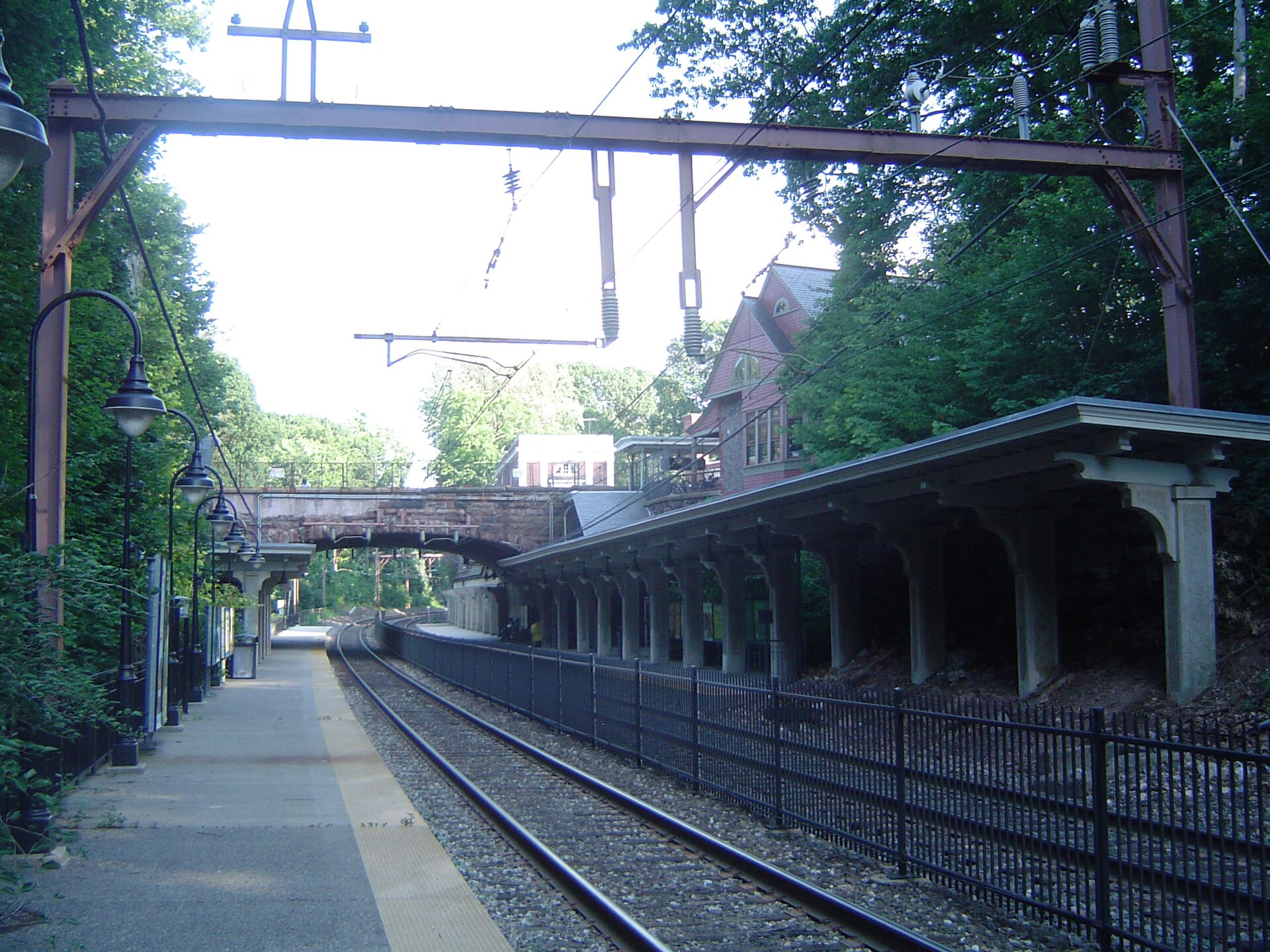
Dining
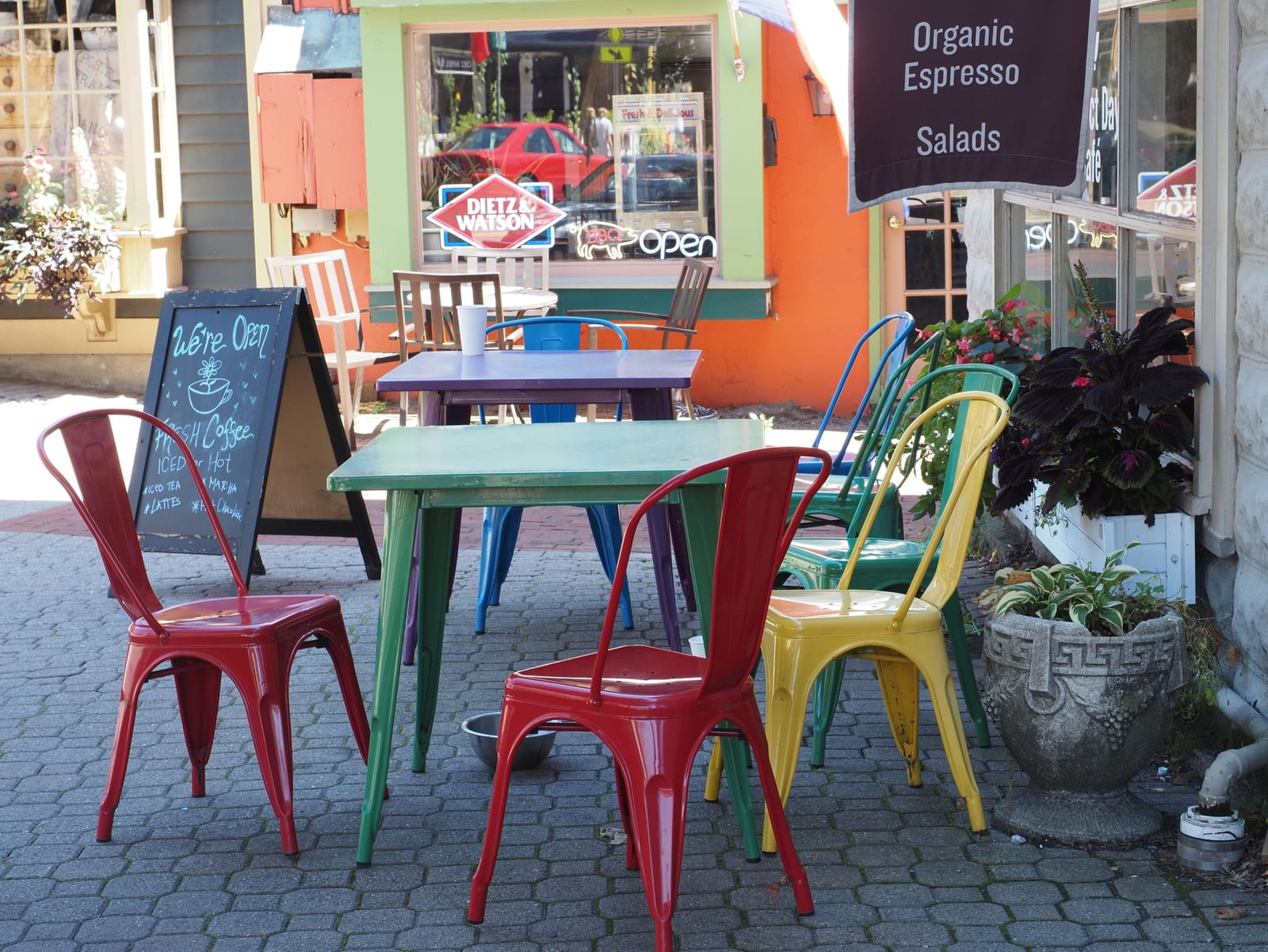
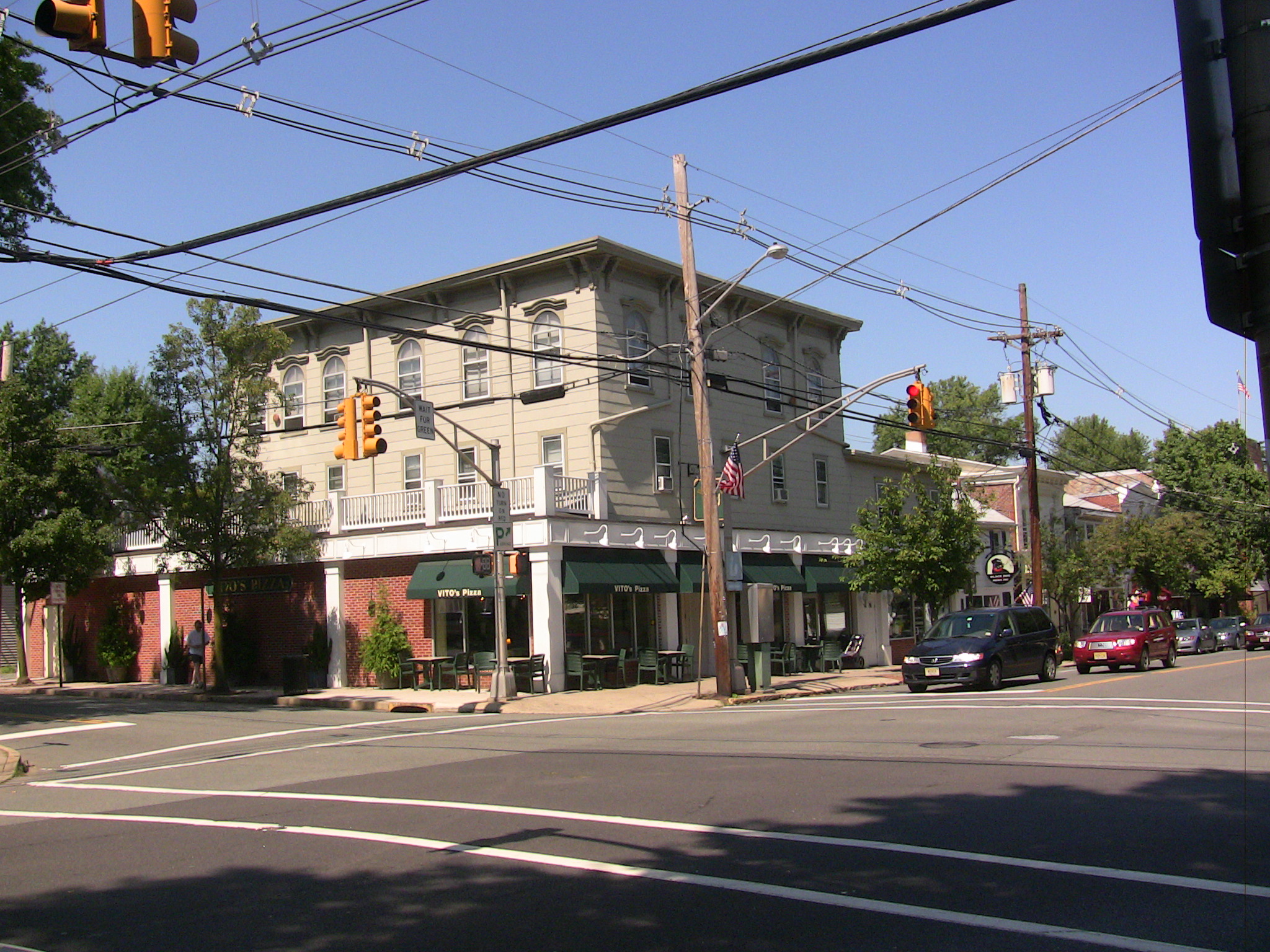
Glen Ridge keeps its own commerce to a handful of storefronts near the station, and that is by design: the borough decided long ago to be residential almost to the lot line and to borrow its downtowns from the neighbors. In practice that means the best restaurant town in the New Jersey suburbs functions as Glen Ridge's dining room, with Montclair's Church Street, Walnut Street, and Bloomfield Avenue restaurants a few minutes away, Bloomfield's Broad Street covering the everyday, and the grocery run splitting between the two. Residents describe the arrangement as the best of both: quiet at home, a hundred kitchens ten minutes door to door.
Shopping
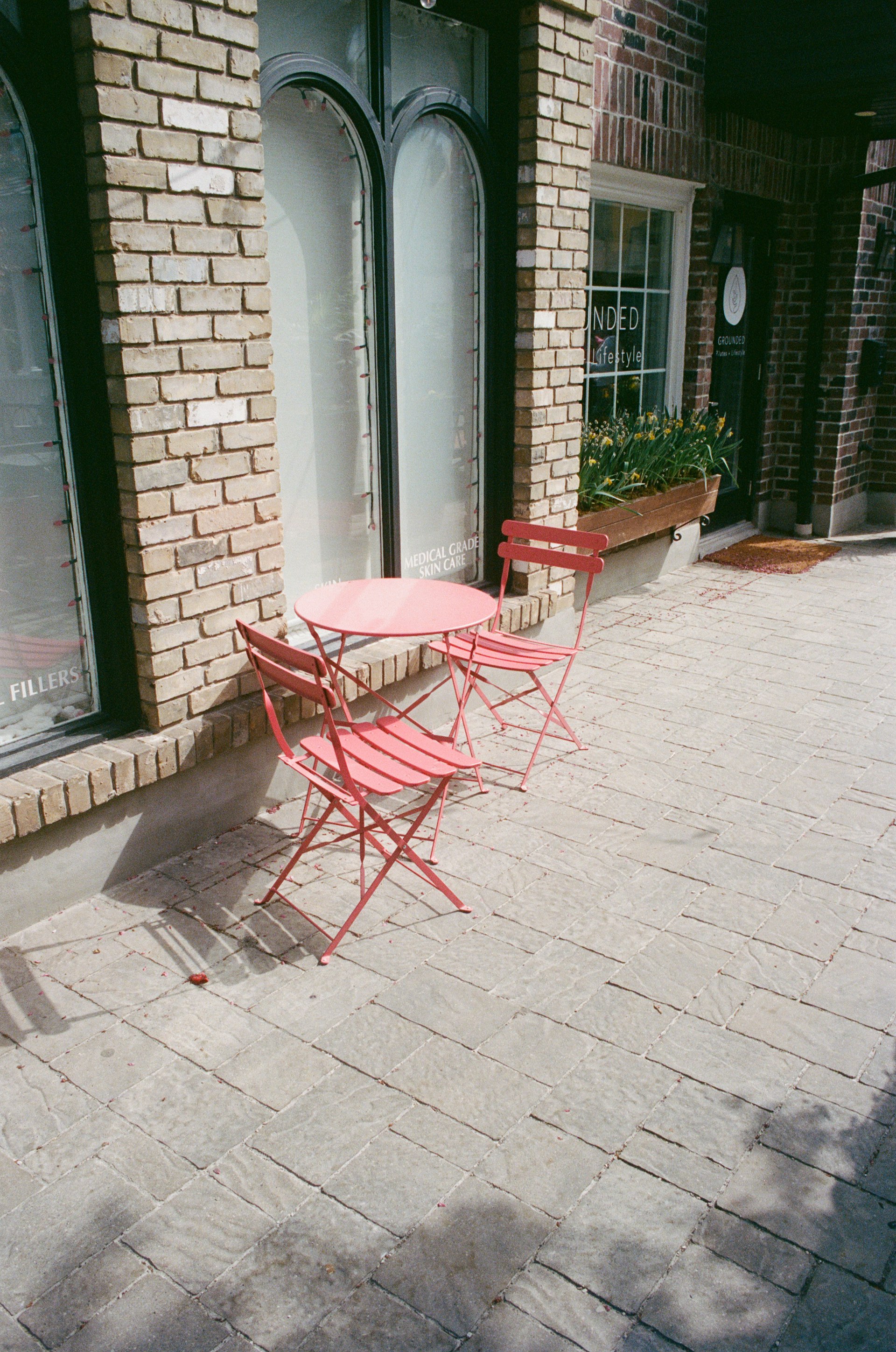
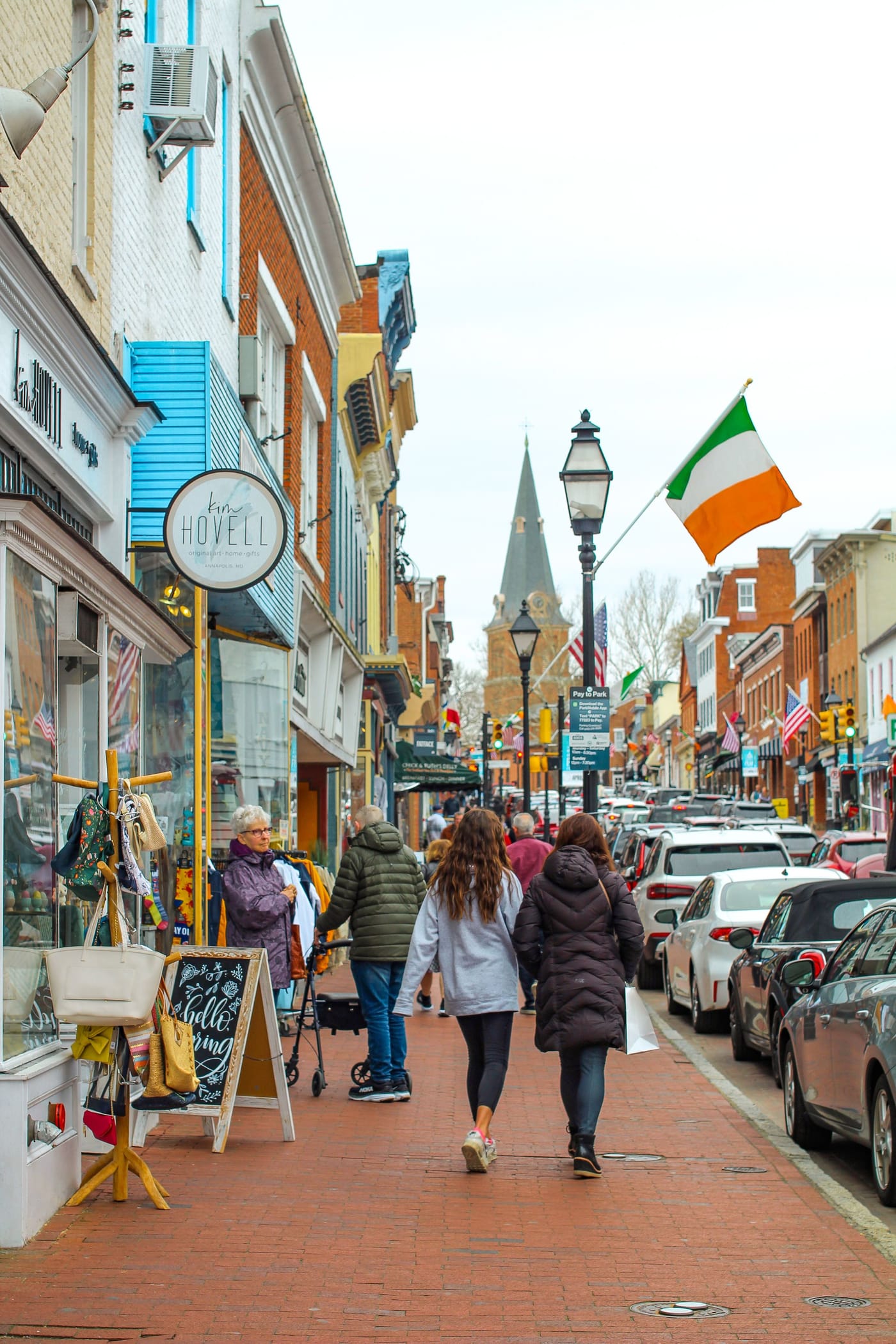
The borough's own retail is intentionally limited, a handful of storefronts and services near the station, so shopping happens next door and does so easily. Montclair's six business districts carry the independent boutiques, bookstores, and specialty food a few minutes west, Bloomfield covers the practical runs, the Mall at Short Hills is about twenty minutes south for department stores, and Manhattan is a direct train away. For a town this size, the arrangement works better than a strip of its own would.
Outdoor Recreation, Arts, and Things to Do
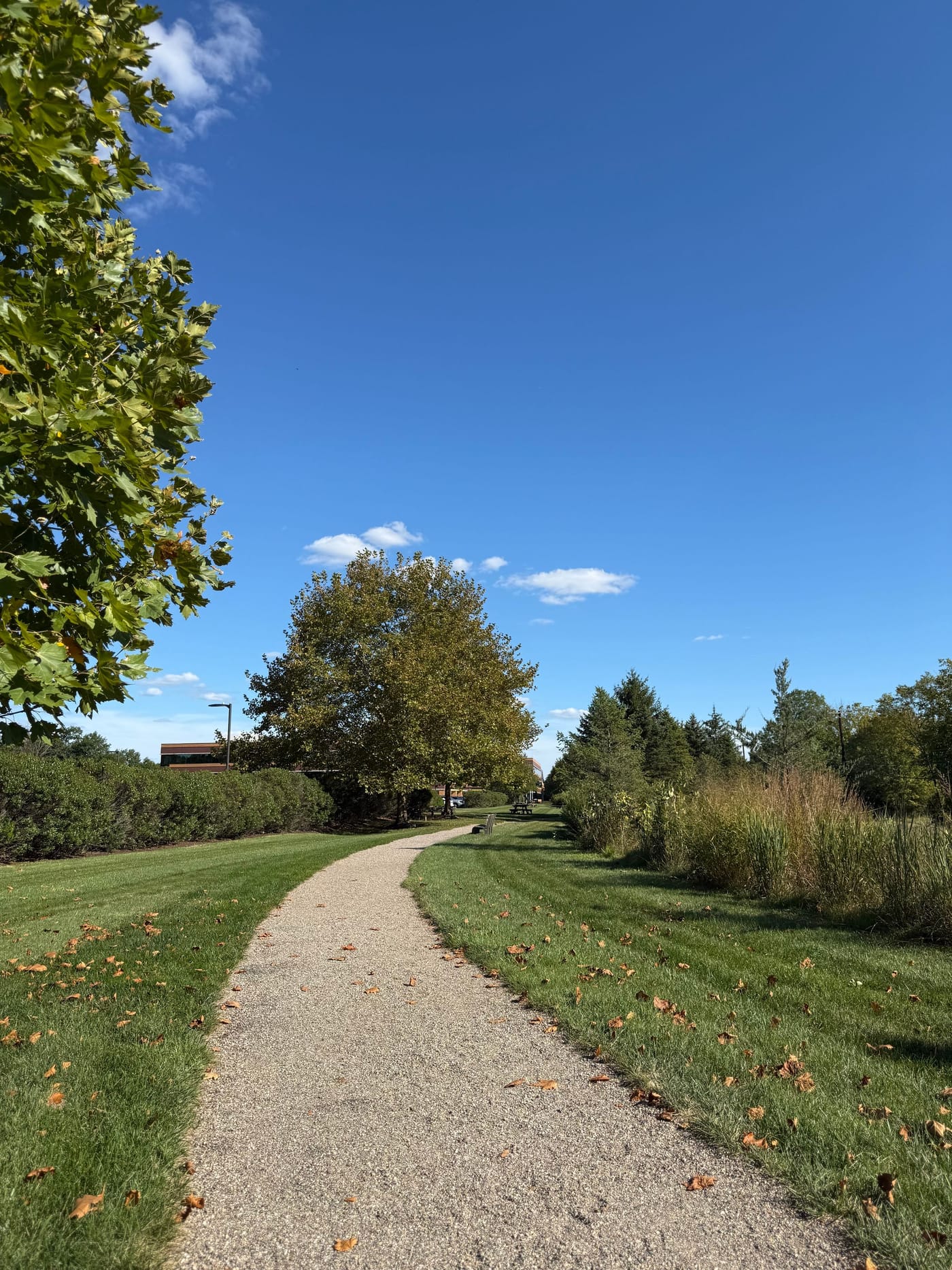
For a borough of 1.3 square miles, Glen Ridge has a remarkable amount of green space. The Glen itself, the wooded ravine along Toney's Brook with its gazebo, is the borough's namesake and the green space residents use most. Freeman Gardens has offered its formal plantings free since a resident designed them in 1935, and Glenfield Park adds county fields and courts on the Montclair line. The Glen Ridge Country Club keeps 18 private holes within the borough, Brookdale Park's Olmsted-designed county acres sit just past the north end, and Eagle Rock Reservation's skyline overlook is a short drive up the mountain. The civic calendar is short but deeply rooted: the Ashenfelter 8K Classic sends thousands of runners down the gaslit streets every Thanksgiving morning, the Memorial Day parade comes through the borough each spring, and an active Historical Society keeps the borough's 1895 independence and its lamps in living memory.

Glen Ridge Schools

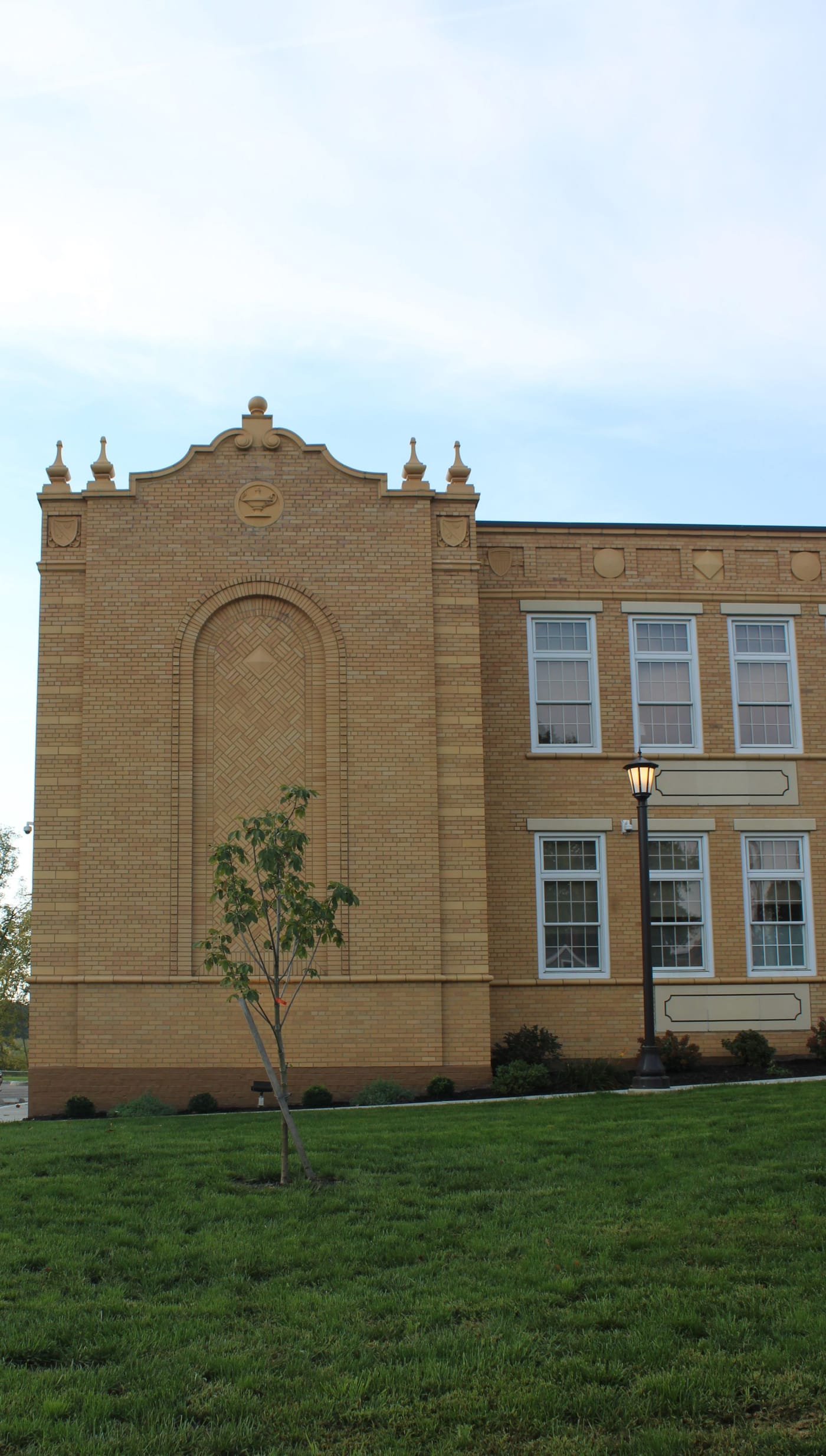
Glen Ridge is served by the Glen Ridge Public Schools, the borough's own public district running from the elementary grades through Glen Ridge High School. Because programs, grade configurations, and offerings change, current details are best verified directly with the district at glenridge.org, and Montclair Kimberley Academy and other independent and parochial options minutes away round out the choices.
Glen Ridge at a Glance
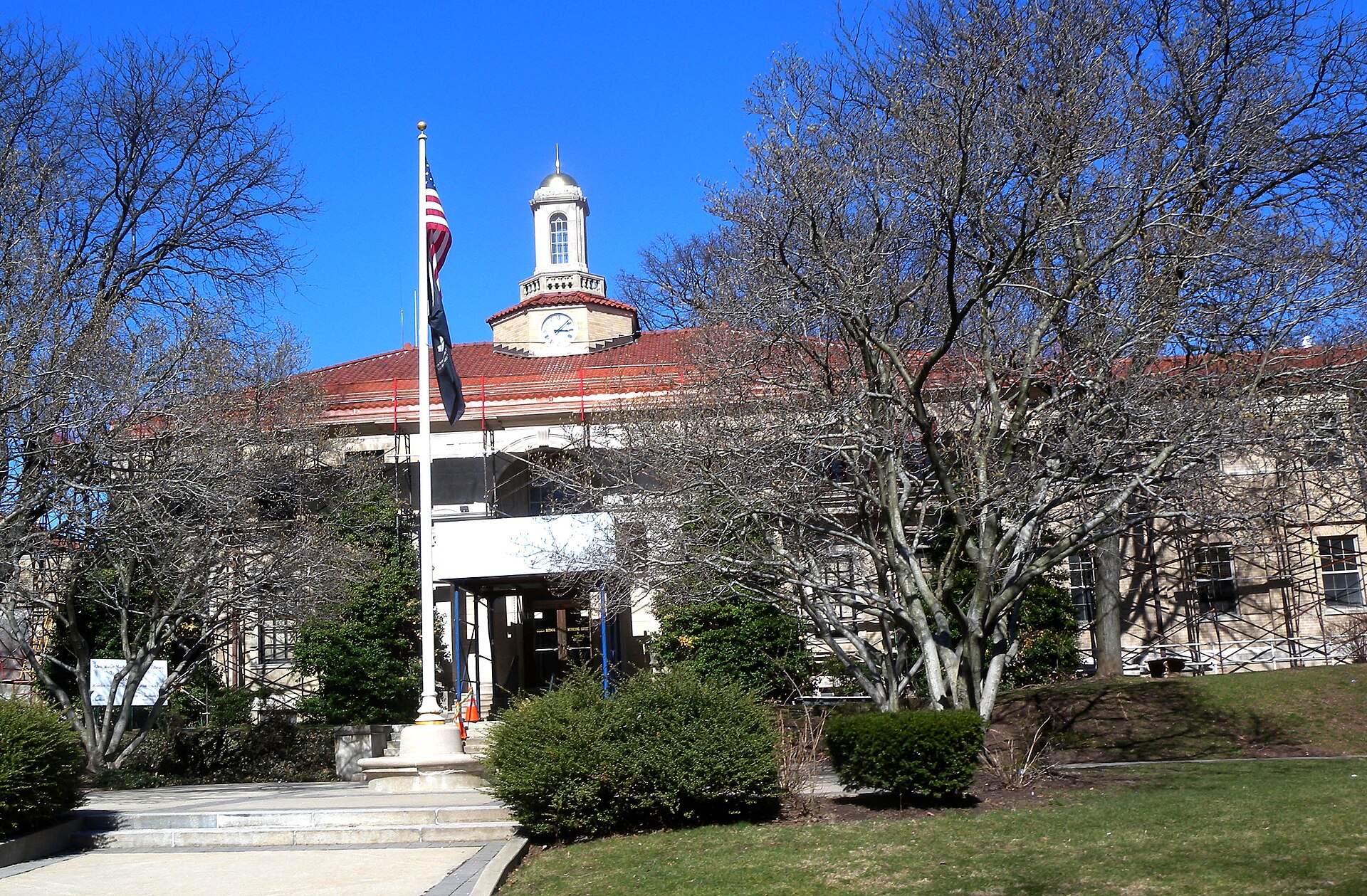
Community type
Independent Essex County borough of 1.3 square miles between Montclair and Bloomfield, incorporated 1895
Gas lamps
Roughly 665, lighting nearly every street; more than a tenth of the working gas lamps left in the United States
Historic district
The Glen Ridge Historic District (National Register, 1982, expanded 1988 and 2013) covers more than 90 percent of the borough
Housing stock
Period houses built largely between the 1880s and the 1930s, plus a limited number of condominiums along Bloomfield Avenue
Market character
Very competitive with very little inventory; reported days on market can overstate how long well-prepared homes stay available, as explained in the FAQ
Rail access
Glen Ridge station, the borough's single stop, on the Montclair-Boonton Line, with Midtown Direct service to New York Penn Station in roughly 32 to 40 minutes
Parks and green space
The Glen and Toney's Brook; Freeman Gardens; Glenfield Park; Brookdale Park just past the north end; the Glen Ridge Country Club (private)
Sources
Sources: Glen Ridge Historical Society; National Register of Historic Places; NJ Transit; borough and county materials.
Map of Glen Ridge
Frequently Asked Questions About Glen Ridge Real Estate
The ones buyers and sellers actually ask, answered the way Lisa answers them.
Ask your ownPrices in Glen Ridge span a wide range for a borough of 1.3 square miles. As a general guide, a limited number of condominiums along Bloomfield Avenue provide the lowest entry point, single-family homes start around $700,000 on the low end and can go up to $1.5 million plus, and the landmark houses on the borough's grandest streets trade past $3 million. Because so few homes sell in a typical year, any one month's figures can swing widely, so current pricing for a particular street or house type is best read with a local agent.
Well-prepared homes in Glen Ridge go under contract quickly, and the reported days-on-market figure tends to make the market look slower than it is. In New Jersey, an accepted offer first goes through attorney review, a period whose length varies from sale to sale depending on what the attorneys need to resolve, during which either side's attorney can modify or cancel the contract, so there is no binding agreement yet. In the Garden State MLS, days on market keep counting through that period, and they can also include time a listing spent marked coming soon before showings began. The practical point for buyers: a home that appears to have been on the market for a couple of weeks may already have an accepted offer, so waiting to act is riskier here than the numbers suggest.
When Glen Ridge seceded from Bloomfield and incorporated in 1895, its founders chose gas lamps for the new borough's streets, and the town never gave them up, keeping them through the eras when nearly every other American community converted. Today roughly 665 working gas lamps light almost every street, more than a tenth of all that remain in the United States, and while a few towns have more lamps, the Glen Ridge Historical Society notes that no other community is lit almost in its entirety by gaslight. The lamp appears on the borough seal.
Glen Ridge has a single station on NJ Transit's Montclair-Boonton Line, with Midtown Direct service to New York Penn Station in roughly 32 to 40 minutes depending on the train, and much of the borough sits close to the platform. Montclair's Bay Street station, just across the border near the southern part of Glen Ridge, is another option, other trains connect to Hoboken for PATH and ferry options, a local jitney supplements the station, and drivers reach the Garden State Parkway and Route 3 quickly.
Glen Ridge offers something rare: a National Register district covering more than 90 percent of a gaslit borough, its own school district, and a direct-train commute, all in 1.3 square miles that cannot add supply. It is a very competitive market with very little inventory, and well-prepared homes move quickly, so the tradeoff is the wait for the right house: buyers here need patience, preparation, and often several attempts. For buyers who find the right house, the same scarcity that makes the search hard is also part of what keeps the borough so sought after.
They are next-door neighbors built for each other, at very different scales. Montclair is the cultural capital of the area, with six train stations, six business districts, and a magnet school system; Glen Ridge is the gaslit borough beside it, with one storybook station, very little commerce by choice, and its own school district. Prices overlap in the low millions and many buyers tour both. The practical version: live in Montclair for the town itself, live in Glen Ridge and borrow the town next door.
Glen Ridge built out largely between the 1880s and the 1930s and its National Register district covers more than 90 percent of the borough, so the streetscape has stayed remarkably intact: grand Victorians, shingle-style and stone houses, center-hall colonials, Tudors, and foursquares on streets lit by the gas lamps, with architect-designed houses on the borough's grandest streets. Lot sizes vary street to street, and there is very little that is new.
Lisa Danbrot works with Compass across the Essex County corridor and the Princeton area, and she has been a licensed agent since 2012. She understands the buyer Glen Ridge so often attracts, someone with their heart set on Montclair who will not compromise, with the exception of Glen Ridge. A third generation Brooklyn native who made her own city-to-suburbs move, she holds a Fine Art degree, knows and appreciates a wide range of architectural styles, and taught yoga for 20 years, a background built for an architecture-first market like this one.
More New Jersey neighborhood guides
All twelve towns
Find Your Home in Glen Ridge
Whether you are waiting for a landmark house, looking for a condominium or a smaller home as your way into Glen Ridge, or preparing to sell a Glen Ridge home, Lisa Danbrot brings more than a decade of experience and a design eye, and she knows how rarely homes here come up for sale and how to be ready when one does. Call or write to talk through Glen Ridge homes for sale.